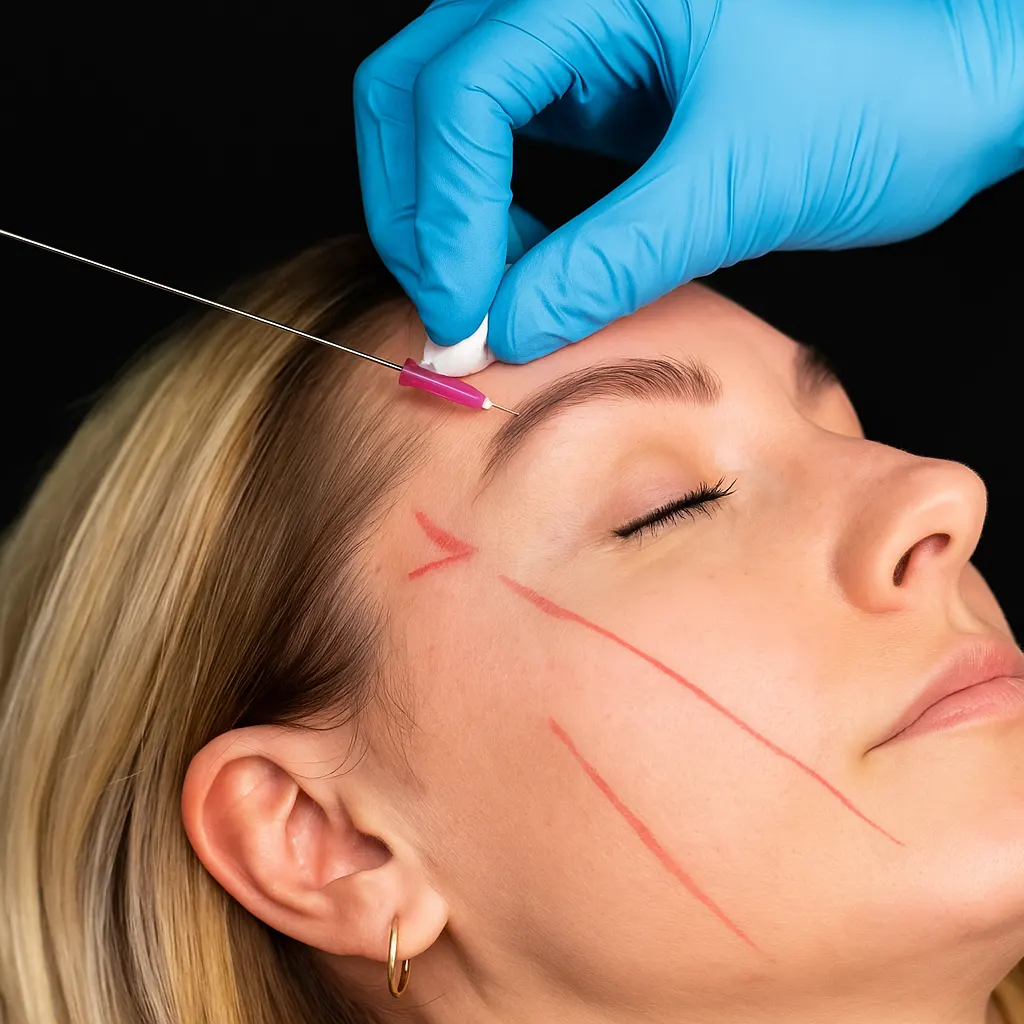
How Do PDO Threads Stay in Place? If you’re considering a PDO thread lift at any of our Chicagoland locations (La Grange, Mount Greenwood, Frankfort, or Shorewood), one of the most common questions we hear from first-time patients is: “How do these tiny threads actually stay in my skin without falling out or moving around?”
It’s a fair question. After all, you’re investing $800 to $2,500 in a treatment that promises to lift sagging skin and stimulate collagen production using dissolvable sutures. Understanding exactly how PDO threads anchor themselves and remain stable is crucial to feeling confident in your treatment decision.
Let’s break down the fascinating science of how PDO threads stay securely in place while transforming your skin from the inside out.
Table of Contents
The Dual Mechanism: Mechanical Anchoring + Biological Integration
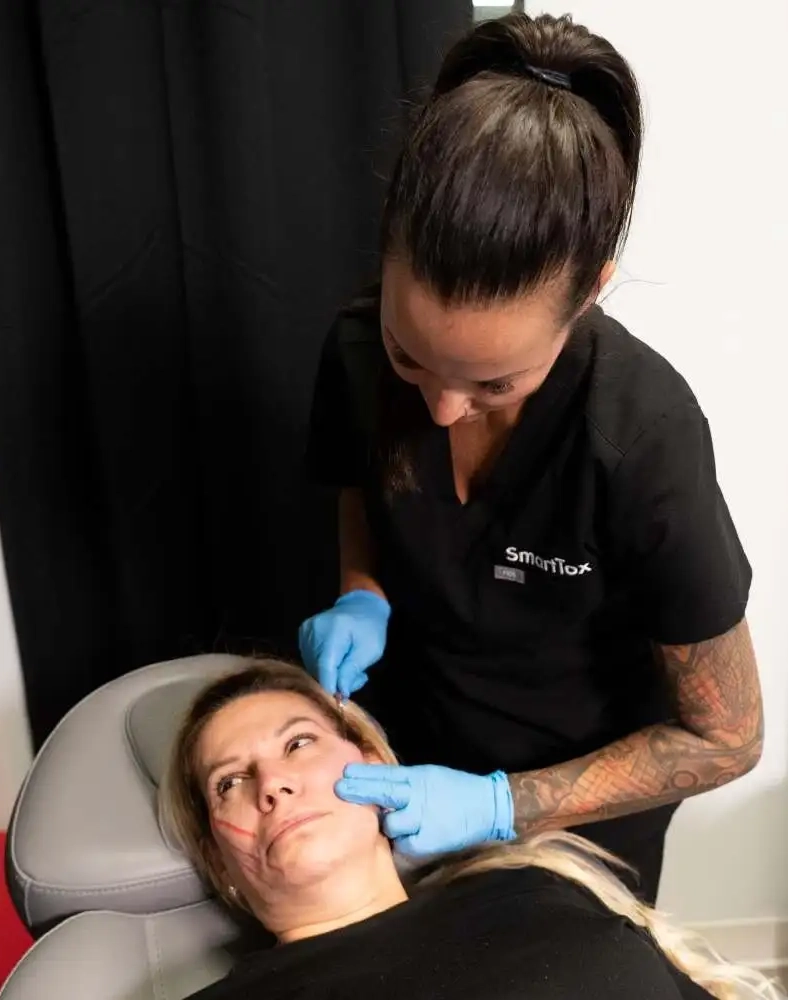
PDO (polydioxanone) threads don’t just rely on one method to stay in place. They use a sophisticated dual-action approach that combines immediate mechanical anchoring with progressive biological integration. Think of it as both a physical lock and a biological seal working together.
Immediate Mechanical Anchoring: The Physical Lock
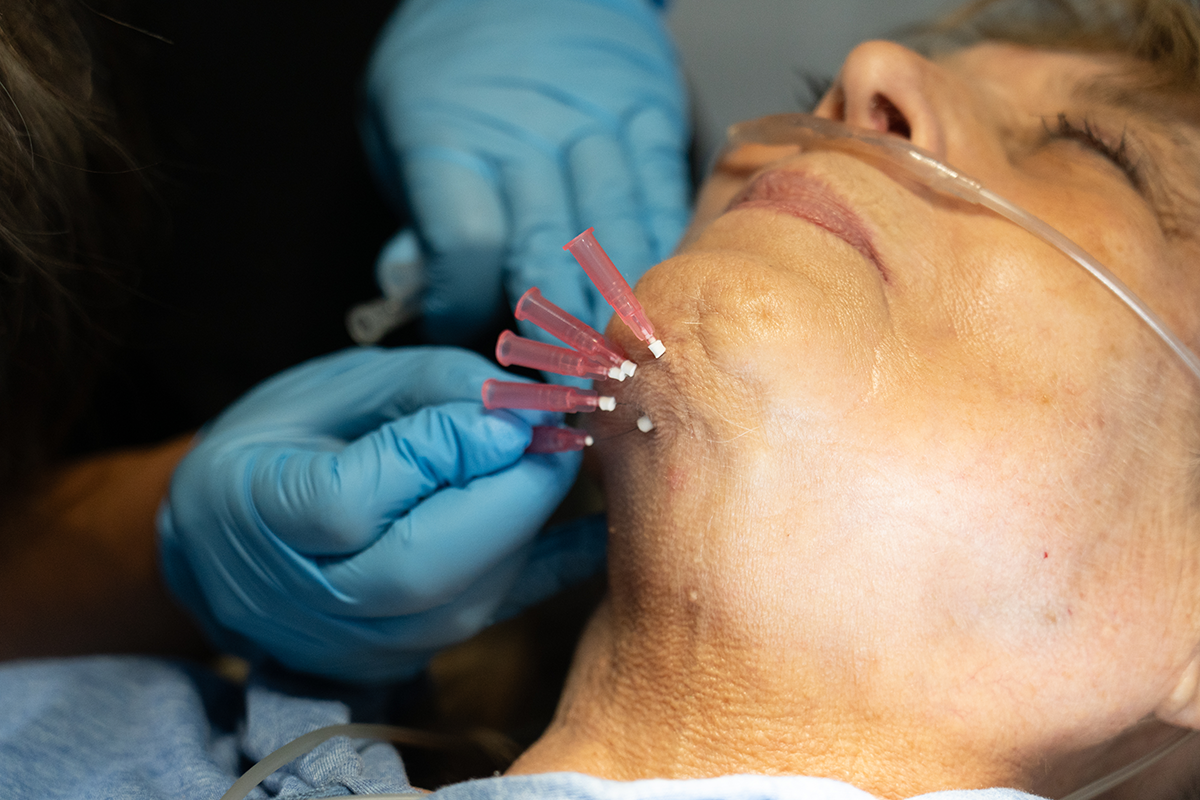
The moment your nurse practitioner at Express Med Spa inserts barbed PDO threads beneath your skin, they create an instant physical grip on your tissue. Here’s how:
Barbed Thread Design
Barbed PDO threads, also called cog threads, feature tiny directional barbs or hooks strategically molded along the thread’s length. These aren’t randomly placed. At Express Med Spa, we use premium threads with barbs positioned in specific patterns:
Bi-Directional Barbs: One set of barbs faces one direction to catch and lift the tissue, while opposing barbs face the opposite direction to anchor and hold the repositioned tissue in place. This creates a secure, two-way locking mechanism that prevents the thread from slipping in either direction.
360-Degree Helical Patterns: Advanced PDO threads feature barbs molded in a complete circle around the thread (rather than just on one side). This design provides omnidirectional anchoring, gripping tissue from all angles for superior stability and lifting capacity.
Multi-Directional Configurations: Some threads alternate barb directions throughout the entire length, minimizing any possibility of movement while maximizing tissue engagement.
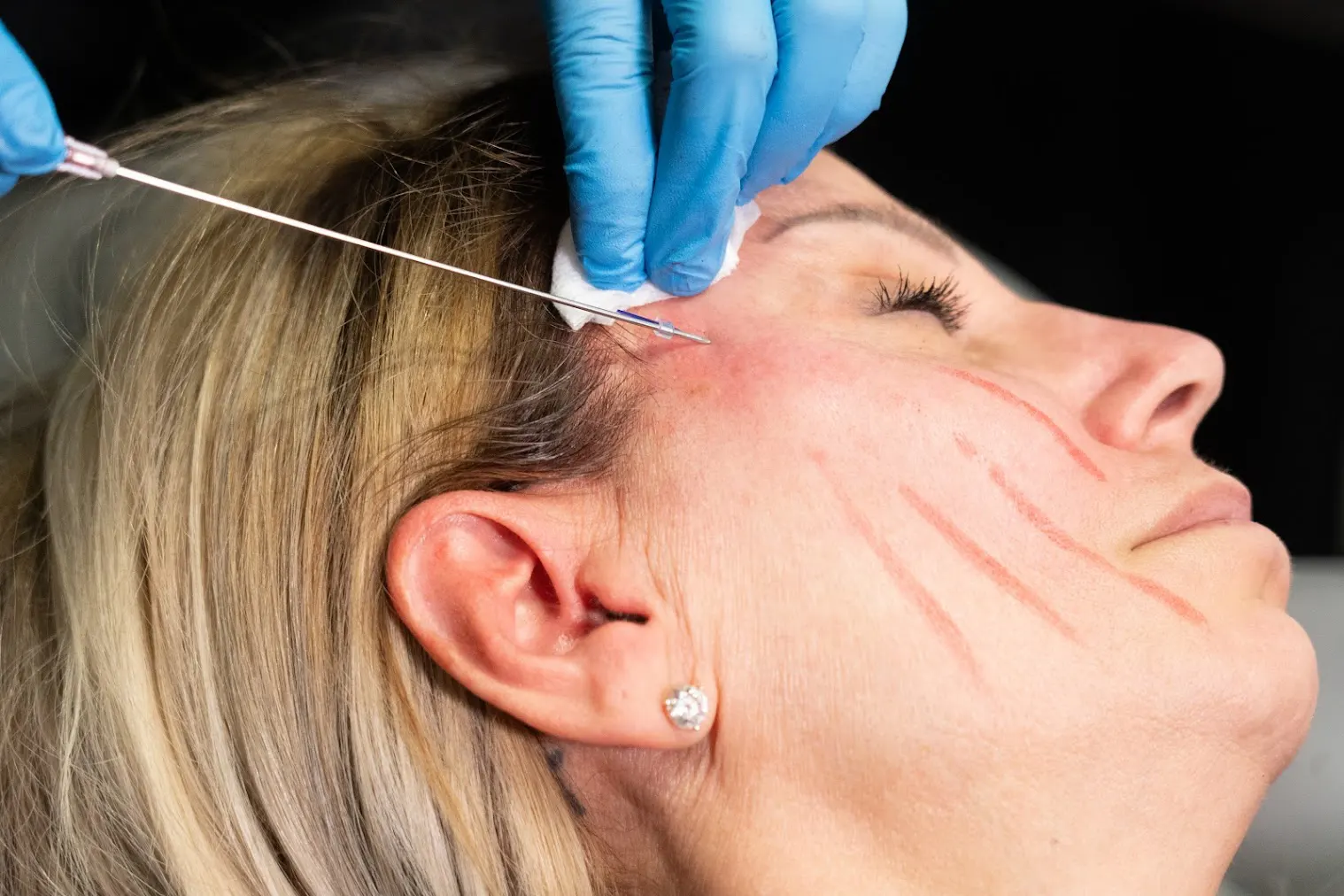
When your provider inserts the thread using a fine needle or cannula, these barbs pass smoothly through the tissue. Once positioned at the correct depth (typically in the Superficial Muscular Aponeurotic System, or SMAS layer), the barbs engage with the surrounding tissue structure. When the thread is gently pulled to create the lifting effect, the barbs act like tiny fish hooks, latching onto the fibrous connective tissue and fat compartments.
This mechanical grip is immediate. The moment the barbs engage, your tissue is lifted and held in its new, elevated position. This is why you see results instantly after your PDO thread lift procedure, even before the biological integration process begins.
Thread Tension and Tissue Compression
Beyond just the barbs themselves, the insertion technique creates strategic tension. Your skilled nurse practitioner at Express Med Spa carefully positions each thread along specific vectors (directional pathways) that correspond to your natural facial anatomy and the areas experiencing sagging.
Once inserted and pulled to achieve the desired lift, the thread’s tension compresses the surrounding tissue. This compression, combined with the barb anchoring, creates a remarkably stable system. The tissue essentially wraps around and through the barbed structure, making it virtually impossible for the thread to simply slide out or migrate.
Progressive Biological Integration: The Living Seal
While mechanical anchoring provides immediate stability, the real magic happens over the days and weeks following your treatment. Your body doesn’t just tolerate these threads, it actively incorporates them into your skin’s structure through a carefully orchestrated healing response.
The Inflammatory Cascade (Days 1-3)
When PDO threads are inserted beneath your skin, your body recognizes them as foreign objects. This triggers a controlled inflammatory response, which is actually exactly what we want to happen. Within hours of insertion:
- White blood cells arrive at the thread site
- Blood flow to the area increases
- Inflammatory mediators begin the healing cascade
- The area experiences mild swelling (which you may notice as temporary post-procedure puffiness)
This isn’t a problem. This is the beginning of the biological integration process that will ultimately make your threads even more secure while stimulating collagen production.
Fibroblast Activation and Collagen Synthesis (Days 3-14)
By day three post-treatment, specialized cells called fibroblasts begin migrating to the thread sites. These are your skin’s collagen-producing factories, and they get to work immediately.
Fibroblasts produce procollagen protein filaments, which quickly organize into immature collagen fibers. These fibers begin forming around the PDO threads like a biological web. Research shows that mature, active fibroblasts can produce approximately 3.5 million procollagen molecules per day. That’s an enormous amount of new structural support developing around each thread.
This collagen formation serves multiple purposes:
- Encapsulation: The threads become wrapped in newly formed collagen fibers
- Anchoring Enhancement: The collagen meshwork integrates with both the thread and your existing dermal tissue, creating a unified structure
- Tissue Support: This new collagen provides additional structural support beyond what the threads alone provide
Fibrotic Tissue Formation (Weeks 2-12)
As the collagen continues to mature, a process called fibrosis occurs around the PDO threads. Despite the somewhat intimidating name, this is actually a beneficial process in this context. Fibrosis refers to the formation of dense fibrous connective tissue.
Histological studies (microscopic examination of tissue) show that a fibrous capsule forms around PDO threads, creating what’s essentially a biological sheath. This fibrous tissue:
- Firmly adheres the thread to surrounding skin structures
- Prevents any possibility of thread migration
- Maintains the lifted position of your tissue
- Creates a supportive scaffold that persists even after the thread dissolves
Clinical imaging studies using ultrasound have documented this fibrosis formation, showing hyperechoic (bright) images around thread placement sites at 30, 60, 90, and 120 days post-treatment. The fibrotic capsule becomes progressively more organized and integrated over time.
Collagen Maturation and Cross-Linking (Months 3-12)
The final stage of biological integration involves collagen maturation. The initially formed collagen fibers undergo a process of cross-linking, where individual collagen molecules bond together to form stronger, more durable bundles.
This maturation process:
- Increases the tensile strength of the newly formed tissue
- Creates bands of fibrous connective tissue that act as a lasting scaffold
- Helps prevent future facial ptosis (sagging) in the treated areas
- Continues even after the PDO threads have fully dissolved (typically 6-9 months)
By the time your PDO threads have been completely absorbed by your body, they’ve left behind a robust network of organized collagen and connective tissue that continues to provide lift and support. This is why patients often report that their results last 12-18 months or longer, despite the threads themselves dissolving much sooner.
Why PDO Threads Don’t Migrate or “Fall Out”
One of the biggest concerns we hear from prospective patients at Express Med Spa is: “What if the threads move around or poke through my skin?”
Let’s address these fears directly with scientific explanations:
Multiple Points of Fixation
Unlike a single suture holding two edges of an incision together, PDO thread lifts use multiple threads placed in strategic patterns. Your nurse practitioner doesn’t just insert one or two threads and call it a day. Depending on the treatment area and degree of lift needed, you might receive anywhere from 6 to 20+ threads.
Each thread has multiple barbs (anywhere from 6 to 20+ barbs per thread, depending on length and design). This means your tissue is secured at dozens or even hundreds of individual anchoring points. The redundancy is intentional. Even if one or two barbs were somehow compromised, the remaining anchoring points maintain tissue position.
Proper Depth Placement
When you choose Express Med Spa for your PDO thread lift, you benefit from nurse practitioner-led care with extensive training in facial anatomy. Proper depth placement is absolutely critical for thread stability.
PDO threads must be placed at the correct tissue layer:
Too Superficial (Too Close to Skin Surface):
- Risk of thread visibility
- Potential for extrusion (pushing through skin)
- Less effective anchoring
- Possible dimpling or irregularities
Correct Depth (SMAS Layer):
- Strong, fibrous tissue for optimal anchoring
- Sufficient tissue coverage to prevent visibility
- Access to the structural support layer of the face
- Minimal risk of complications
Too Deep:
- Risk of nerve or blood vessel injury
- Less effective lifting (too far from skin surface)
- Unnecessary discomfort
Our nurse practitioners use precise insertion techniques, often with ultrasound guidance when appropriate, to ensure every thread is placed at the ideal depth for maximum stability and effectiveness.
The Tissue Matrix Architecture
Your skin isn’t just a flat sheet. It’s a complex three-dimensional matrix of different tissue types:
- Epidermis (outer layer)
- Dermis (thick middle layer with collagen, elastin, and blood vessels)
- Subcutaneous fat
- Fibrous septa (connective tissue walls separating fat compartments)
- SMAS (superficial musculoaponeurotic system)
- Deep facial muscles
PDO threads are inserted through this matrix in a way that allows them to weave through and around these structures. The barbs catch on fibrous septa, the dermis, and the SMAS. The threads essentially become integrated into the existing architectural framework of your face.
This integration, combined with the biological encapsulation process described earlier, creates a situation where thread migration is virtually impossible. The threads aren’t just sitting loosely in your tissue; they’re mechanically locked in place and then biologically sealed.
Thread Dissolution Timeline
It’s also important to understand that while the PDO material itself dissolves, the lifting and anchoring effects don’t disappear when the thread does.
Here’s the timeline:
Weeks 0-6:
- Threads provide 100% mechanical support
- Biological integration beginning
- New collagen forming around threads
Months 2-6:
- Threads beginning to break down via hydrolysis
- Biological support increasing as mechanical support gradually decreases
- Collagen production at peak levels
- Fibrotic capsule fully formed
Months 6-9:
- Threads approximately 75-100% dissolved
- Biological support now primary mechanism
- Collagen network mature and organized
- Lifting effect maintained by new tissue structure
Months 9-18:
- Threads completely dissolved into CO2 and water
- Results maintained entirely by collagen scaffolding
- Gradual softening of results as natural aging continues
- Touch-up treatment may be considered
The beauty of this system is that the transition from mechanical to biological support happens gradually. Your tissue never loses support abruptly. By the time the threads dissolve, the biological scaffold has taken over the job of maintaining your lift.
The Cellular Biology: What’s Actually Happening in Your Skin
To truly appreciate how PDO threads stay securely in place, it helps to understand the cellular-level processes occurring beneath your skin. This is where science becomes truly fascinating.
The Wound Healing Cascade and Thread Integration
When your nurse practitioner at Express Med Spa inserts PDO threads, your body initiates a carefully orchestrated wound healing response. This isn’t the same as healing from a cut or scrape. This is a controlled, beneficial healing process that ultimately strengthens your skin’s structure.
Phase 1: Hemostasis and Immediate Response (Hours 0-24)
The moment a thread is inserted:
Platelet Activation: Platelets rush to the micro-trauma sites created by thread insertion. These tiny blood cells release growth factors including:
- Platelet-Derived Growth Factor (PDGF)
- Transforming Growth Factor-Beta (TGF-β)
- Vascular Endothelial Growth Factor (VEGF)
These growth factors are chemical messengers that signal your body to begin the repair and strengthening process.
Fibrin Mesh Formation: Your blood’s clotting cascade creates a fibrin mesh around each thread. This temporary biological “glue” provides initial stabilization while the longer-term integration processes get underway.
Cytokine Release: Pro-inflammatory cytokines are released, including interleukins and tumor necrosis factor. Despite the inflammatory-sounding names, these are beneficial signals that recruit the cells needed for tissue repair and collagen synthesis.
Phase 2: Inflammatory Phase (Days 1-7)
This is when you might notice swelling, tenderness, and slight redness at insertion points. Here’s what’s happening:
Neutrophil Infiltration: These white blood cells arrive first, clearing any cellular debris from the insertion process. They typically peak around 24-48 hours post-treatment.
Macrophage Recruitment: By day 3-4, macrophages (specialized white blood cells) take over. These cells have two critical functions:
- Cleaning up any remaining debris
- Releasing growth factors that stimulate fibroblast activity
Research shows that macrophages surrounding PDO threads release significantly higher levels of TGF-β1 than normal tissue, creating an optimal environment for collagen production.
Angiogenesis Initiation: New blood vessels begin forming around the threads. This increased vascularization brings oxygen and nutrients to support the intensive collagen synthesis about to begin. Studies using ultrasound imaging have documented increased blood flow around PDO threads starting as early as day 5 post-treatment.
Phase 3: Proliferative Phase (Days 7-21)
This is when the real transformation begins:
Fibroblast Proliferation: Fibroblasts are the master builders of your skin. They multiply rapidly in the tissue surrounding PDO threads. By day 7, fibroblast density around threads can be 3-5 times higher than in untreated tissue.
Extracellular Matrix Production: Activated fibroblasts begin producing:
- Type I Collagen (for strength and structure)
- Type III Collagen (for flexibility and regeneration)
- Elastin (for skin elasticity)
- Glycosaminoglycans (for hydration and volume)
- Fibronectin (cellular adhesion protein)
Granulation Tissue Formation: A specialized temporary tissue forms around the threads, rich in new blood vessels and collagen. This granulation tissue serves as the foundation for the mature collagen network that will eventually replace it.
Myofibroblast Differentiation: Some fibroblasts transform into myofibroblasts, specialized cells that contain contractile proteins. These cells gently contract the tissue around the threads, contributing to the skin-tightening effect and helping maintain the lifted position.
Phase 4: Remodeling Phase (Weeks 3-52)
This final phase continues for months after your treatment:
Collagen Organization: The initially disorganized collagen fibers begin aligning along lines of mechanical stress. This organized structure is stronger and more durable than randomly oriented fibers.
Collagen Cross-Linking: Individual collagen molecules bond together through enzymatic cross-linking, creating thicker, stronger collagen bundles. This process significantly increases the tensile strength of the newly formed tissue.
Type III to Type I Collagen Conversion: Early in the healing process, your body produces more Type III collagen (found in younger skin and during wound healing). Over months, much of this converts to Type I collagen, which provides superior long-term structural support.
Fiber Diameter Increase: As collagen matures, individual fiber diameter increases, further enhancing the mechanical properties of the tissue scaffold forming around your threads.
Matrix Metalloproteinase (MMP) Regulation: These enzymes continuously remodel the extracellular matrix, removing old or damaged collagen while allowing new collagen to integrate. This balanced remodeling creates an optimized tissue structure.
The Polydioxanone Degradation Process
While all this biological activity is happening, the PDO thread material itself is slowly breaking down. Understanding this process helps explain why results last long after the threads dissolve.
Hydrolytic Degradation Mechanism
PDO doesn’t require enzymes to break down. It degrades through hydrolysis, a simple chemical reaction with water molecules in your tissues:
Months 0-4: Thread maintains full structural integrity
- Molecular weight remains stable
- Full mechanical strength preserved
- Thread provides complete lifting support
Months 4-6: Degradation acceleration begins
- Water molecules begin breaking ester bonds in the polymer chain
- Thread gradually loses mechanical strength
- Biological scaffold is maturing to take over support function
Months 6-9: Advanced degradation
- Thread fragments into smaller polymer chains
- Further breakdown into oligomers (short polymer segments)
- Minimal to no mechanical support from thread itself
- Collagen network now providing primary support
Months 9-12: Complete dissolution
- Oligomers break down into PDO monomers
- Monomers metabolized into glyoxylate
- Glyoxylate enters normal metabolic pathways
- Final breakdown products: CO2 and H2O
- Complete elimination through respiration and urination
No Foreign Material Remains: This is a critical advantage of PDO threads. Unlike non-absorbable sutures (sometimes used in older thread lift techniques), PDO leaves absolutely nothing behind except the collagen scaffold your own body created.
Comparative Analysis: PDO vs. Other Thread Materials
While Express Med Spa primarily uses PDO threads due to their excellent safety profile and proven results, understanding how PDO compares to other materials provides valuable context:
Polydioxanone (PDO) Threads
- Absorption time: 6-9 months
- Collagen stimulation duration: 12-16 months
- Type of collagen primarily stimulated: Type I and Type III
- Inflammatory response: Mild to moderate (beneficial)
- Tissue reaction: Controlled fibrosis
- Best for: Moderate lifting, collagen stimulation, first-time patients
- FDA clearance: Yes, since 2004 for tissue approximation
Poly-L-Lactic Acid (PLLA) Threads
- Absorption time: 12-18 months
- Collagen stimulation duration: 18-24 months
- Type of collagen primarily stimulated: Type I, Type III, plus hyaluronic acid
- Inflammatory response: Moderate to robust
- Tissue reaction: More pronounced fibrosis
- Best for: Stronger lift needed, patients who responded well to PDO
- FDA clearance: Yes, also used in injectable fillers (Sculptra)
Polycaprolactone (PCL) Threads
- Absorption time: 12-18 months
- Collagen stimulation duration: 18-36 months
- Type of collagen primarily stimulated: Strong Type I and Type III response
- Inflammatory response: Moderate, sustained longer
- Tissue reaction: Robust, long-lasting fibrosis
- Best for: Maximum longevity, patients with good tissue quality
- FDA clearance: Yes, used in various medical applications
Research Findings:
A 2023 comparative study published in the Journal of Cosmetic Dermatology analyzed collagen formation across different thread types. The results revealed:
- PDO threads showed peak collagen production at week 8-12
- PLLA threads maintained higher collagen levels through week 16
- PCL threads demonstrated sustained collagen elevation through week 24
- All three materials showed significantly higher collagen than untreated control tissue
The study concluded that while PCL and PLLA threads stimulate collagen for longer periods, PDO threads offer an excellent balance of effectiveness, safety, and predictability, particularly for patients new to thread treatments.
The Collagen Architecture Created by PDO Threads
Not all collagen is created equal. The type, organization, and maturity of collagen determine how well it supports your skin. PDO threads create a specific collagen architecture that’s particularly effective for facial rejuvenation.
Fibrillar vs. Non-Fibrillar Collagen
Your skin contains multiple collagen types, but the most important for structural support are the fibrillar collagens (Types I, III, and V). PDO threads primarily stimulate Types I and III:
Type I Collagen (80-90% of skin collagen):
- Provides tensile strength
- Forms thick, rope-like fibers
- Resistant to stretching
- Predominant in mature, healthy skin
- Critical for long-term results
Type III Collagen (10-20% of skin collagen):
- More flexible than Type I
- Abundant in younger skin and during healing
- Provides elasticity and resilience
- Gradually converts to Type I over time
- Important in early remodeling phase
Spatial Organization Around Threads
Microscopic studies of tissue containing PDO threads reveal a fascinating pattern:
Immediate Peri-Thread Zone (0-0.5mm from thread):
- Dense collagen deposition
- Highly organized fiber alignment parallel to thread
- Fibroblasts clustered closely
- Robust fibrous capsule formation
- This zone provides primary mechanical anchoring
Intermediate Zone (0.5-2mm from thread):
- Moderate collagen density
- Mix of organized and less-organized fibers
- Active remodeling occurring
- Gradual transition to normal tissue architecture
- This zone distributes mechanical forces
Distant Zone (>2mm from thread):
- Subtle increase in collagen compared to untreated tissue
- Normal tissue architecture preserved
- Possible minor improvements in skin quality
- Demonstrates field effect of treatment
This gradient of collagen density creates a natural-looking integration between treated and untreated areas, avoiding the sharp transitions that can create visible irregularities.
Growth Factors and Signaling Molecules
The biological integration of PDO threads involves a complex symphony of growth factors and signaling molecules. Understanding these helps explain why results continue improving even after the initial treatment.
Key Growth Factors Involved:
Transforming Growth Factor-Beta (TGF-β) Family:
- Most critical for collagen synthesis
- Stimulates fibroblast differentiation and proliferation
- Levels remain elevated for 8-12 weeks around PDO threads
- TGF-β1 specifically shows 3-4x elevation compared to baseline
- Drives both collagen production and organization
Platelet-Derived Growth Factor (PDGF):
- Recruits fibroblasts to thread sites
- Promotes cell division and migration
- Enhances wound healing response
- Peaks in first 2 weeks post-treatment
Vascular Endothelial Growth Factor (VEGF):
- Stimulates new blood vessel formation (angiogenesis)
- Ensures adequate oxygen and nutrient supply
- Supports sustained metabolic activity for collagen synthesis
- Elevated for 4-8 weeks post-treatment
Insulin-Like Growth Factor (IGF):
- Supports fibroblast survival and function
- Enhances protein synthesis
- Works synergistically with TGF-β
- Contributes to sustained collagen production
Fibroblast Growth Factor (FGF):
- Promotes fibroblast proliferation
- Supports angiogenesis
- Enhances overall tissue regeneration
- Contributes to improved skin quality beyond just lifting
The Signaling Cascade:
These growth factors don’t work in isolation. They create a signaling cascade:
- Thread insertion creates tissue micro-trauma
- Platelet activation releases PDGF and TGF-β
- Macrophage recruitment produces additional growth factors
- Fibroblast activation begins collagen synthesis
- VEGF release stimulates new blood vessel formation
- Enhanced nutrient delivery enables sustained collagen production
- Positive feedback loop continues improvement for weeks and months
This cascade explains why PDO thread lift results often continue improving for 2-3 months after treatment. The biological processes, once initiated, continue even as the initial inflammatory response resolves.
Real Patient Experiences: Thread Stability in Practice
While understanding the science is valuable, hearing about real patient experiences helps paint a complete picture of what to expect. Here are anonymized case studies from Express Med Spa patients that illustrate how PDO threads stay in place and deliver results.
Case Study 1: Sarah, 42-Year-Old Teacher from La Grange
Background: Sarah, a middle school teacher, came to Express Med Spa concerned about deepening nasolabial folds and early jowl formation. As someone constantly in front of students and parents, she wanted to look refreshed but natural. She was nervous about threads “moving around” since she’s quite animated when teaching.
Treatment:
- 6 barbed PDO threads (bi-directional, 360-degree helical pattern)
- 3 threads per side along mid-face
- Treatment time: 35 minutes
- Local anesthesia only
Her Experience with Thread Stability:
Days 1-3: “I could definitely feel the threads, especially when I smiled widely or raised my eyebrows. It wasn’t painful, just this awareness that something new was in my face. I was worried about talking too much at work, but my nurse practitioner reassured me that normal facial expressions wouldn’t dislodge properly placed threads.”
Week 1: “The tightness sensation decreased significantly. I went back to teaching after a long weekend (had treatment on Friday). One parent asked if I’d changed my hair because I looked ‘really fresh.’ No one noticed I’d had anything done, which was exactly what I wanted.”
Week 2 (Follow-up appointment): “By my two-week check-in, I had completely forgotten the threads were there. The nurse practitioner examined everything and confirmed the threads were perfectly positioned and integrating well. She could feel the slight firmness around the thread sites, indicating the collagen formation was progressing as expected.”
Months 2-3: “This is when I really noticed the difference. Not just the initial lift from thread placement, but my skin quality improved. The area around my smile lines looked firmer, plumper. Friends asked what I was using on my skin. Nobody guessed I’d had threads.”
Month 6: “Came back for a check-in out of curiosity. The nurse practitioner explained that the threads were about halfway dissolved by this point, but the collagen scaffold was fully formed and mature. I still loved my results. No concerns about anything shifting or moving.”
Month 12: “I’m now a year out, and while there’s been some natural settling, I still look significantly better than before treatment. I’m planning a touch-up appointment, but more because I loved the results so much than because I need it urgently. The threads definitely stayed where they were supposed to stay.”
Key Takeaway: Sarah’s experience demonstrates that properly placed threads remain stable through normal daily activities, including animated talking, smiling, and facial expressions. The biological integration process proceeded as expected, with results that lasted well beyond the thread dissolution timeline.
Case Study 2: Marcus, 51-Year-Old Real Estate Agent from Mount Greenwood
Background: Marcus (Reinvention Ryan avatar) works in competitive real estate on Chicago’s South Side. He noticed potential clients often assumed he was older than his actual age due to sagging jowls and a less-defined jawline. He wanted improvement but was concerned about looking “done” or having visible evidence of treatment.
Treatment:
- 8 barbed PDO threads along jawline
- 4 threads per side
- Strategic placement to enhance jaw definition
- Combined with modest Xeomin for masseter reduction
- Treatment time: 45 minutes
His Experience with Thread Stability:
Days 1-5: “I was really worried about the threads being visible or feeling weird. I had a showing on day 3, and while I felt some tightness, nothing was visible. I could feel the threads if I pressed on my jawline, but nobody else would ever notice. I kept my face expressionless during the showing just to be safe, though my nurse practitioner said it wasn’t necessary.”
Week 1: “Had a closing meeting. Felt totally normal. No concerns about the threads moving or being noticeable. One colleague said I looked ‘rested,’ which I took as a win.”
Week 3: “Completely forgot about the threads. Went to the gym, played basketball, lived my normal life. Nothing shifted, nothing felt weird. The improvement in my jawline was subtle but definite. I looked more pulled-together in listing photos.”
Month 2: “This was interesting. My results actually looked better than immediately after the treatment. My nurse practitioner explained this was the collagen kicking in. The threads had done their mechanical job and now my own biology was enhancing the results. Clients started commenting that I must be using a new photographer because I looked so good in my marketing materials.”
Month 8: “Eight months out, still totally happy. I asked my nurse practitioner if the threads had moved at all from the original placement. She said no, the fibrotic capsule that formed around them held everything exactly where it should be. Even though the threads themselves were mostly dissolved by this point, the collagen structure maintained the improvement.”
Month 14: “Planning my second treatment. The first one lasted longer than I expected. My jawline has gradually softened back toward its original state, but it’s still better than before I started. The key thing is that throughout this entire time, I never once worried about the threads shifting position or causing problems. They did exactly what they were supposed to do.”
Key Takeaway: Marcus’s experience shows that PDO threads can withstand vigorous activity (gym, sports) without displacement once the initial healing period passes. His results improved over time as biological integration progressed, and thread stability was never a concern throughout his treatment journey.
Case Study 3: Jennifer, 58-Year-Old Empty Nester from Frankfort
Background: Jennifer (Wellness Wendy avatar) represents many of our patients seeking comprehensive facial rejuvenation. With adult children out of the house, she wanted to reinvest in herself. She had significant mid-face volume loss and sagging, plus neck concerns. She was initially considering a surgical facelift but wanted to explore less invasive options first.
Treatment:
- Comprehensive PDO thread lift: 16 barbed threads total
- 6 threads mid-face (3 per side)
- 4 threads lower face/jowls (2 per side)
- 6 threads neck (3 per side of neck)
- Combined with Juvederm filler in cheeks for volume restoration
- Treatment time: 75 minutes across two sessions (mid-face and neck done separately for comfort)
Her Experience with Thread Stability:
Days 1-7: “I was swollen, I won’t lie. More so than the younger patients, my nurse practitioner said, which is normal for my age group. I could definitely feel all 16 threads in different areas of my face. It felt like my face was being gently held in a new position. I slept elevated on three pillows and didn’t sleep on my side for the full two weeks as instructed.”
Weeks 2-3: “The swelling resolved and I could see the actual results. Wow. My mid-face looked elevated, my jowls were significantly improved, and my neck had this smooth contour I hadn’t seen in 15 years. I was paranoid about the threads migrating, especially with so many placed. At my follow-up, the nurse practitioner palpated each thread zone and confirmed everything was perfectly stable.”
Month 1: “I attended my daughter’s graduation. Got so many compliments. My sister asked point-blank if I’d had a facelift. When I explained it was threads, she couldn’t believe something non-surgical could create these results. I’d been doing facial exercises (gentle yoga), and I worried that might affect thread position. My provider said properly placed threads won’t move from normal facial movements or exercises.”
Months 2-4: “This is when the magic really happened. The initial lift was great, but as the collagen formed, my skin quality transformed. It looked thicker, healthier. The texture around my mouth and eyes improved even though threads weren’t placed there. My nurse practitioner explained this was the biological field effect – the growth factors and improved circulation extended beyond the immediate thread sites.”
Month 6: “Honestly, I thought about the threads less and less. They were just part of me now. I went in for a check-in, and the ultrasound imaging showed these little bright lines around where the threads were (the fibrotic capsules). My nurse practitioner said this was perfect – it meant the biological integration was complete and the threads were being held firmly in place by my own tissue.”
Month 10: “Had a friend’s wedding. Looked at photos from a year ago versus photos from the wedding. The difference was significant, but I looked like myself – just a fresher, more rested version. People often asked what skincare I was using or if I’d lost weight (I hadn’t). Nobody guessed threads. That natural result comes from the threads staying exactly where they’re placed and stimulating your own collagen rather than creating artificial volume.”
Month 18: “I’m now scheduled for my touch-up treatment. My results have gradually softened, but I still look better than before my first treatment. The comprehensive approach (16 threads plus filler) gave me results that a plastic surgeon friend said rivaled a mini facelift. Throughout this entire 18 months, the threads stayed stable. No migration, no extrusion, no problems whatsoever. Just beautiful, natural-looking results.”
Key Takeaway: Jennifer’s case demonstrates that even comprehensive thread treatments with multiple threads in various facial zones remain stable. Her experience also highlights how patient compliance with aftercare instructions (sleeping elevated, avoiding side-sleeping) supports optimal thread integration. The combination of immediate mechanical lift and progressive biological improvement created long-lasting results.
Case Study 4: Tom, 47-Year-Old IT Professional from Shorewood
Background: Tom had been working from home since 2020 and noticed during video calls that his neck and jowls made him look older and more tired than he felt. As someone in the tech industry where youth is often valued, he wanted to update his appearance. He was concerned about the threads being noticeable during video calls or in-person client meetings.
Treatment:
- 10 smooth PDO mono threads (collagen stimulation)
- 6 barbed threads (lifting effect)
- Focus on neck, lower face, and under-eye area
- Goal: Skin tightening and texture improvement plus modest lift
- Treatment time: 50 minutes
His Experience with Thread Stability:
Days 1-4: “I scheduled my treatment Thursday and took Friday off. By Monday, most of the swelling was gone. I had some small bruises at insertion points that concealer easily covered. During video calls, I positioned my camera to avoid direct side lighting just to be extra cautious, but honestly, nothing was visible. My partner, who knew I’d had the treatment, said they couldn’t see any evidence of it.”
Week 2: “Returned to in-person client meetings. No concerns about visibility or feeling self-conscious. The threads in my neck area felt slightly different when I turned my head all the way to the side, but it wasn’t uncomfortable – just different. By the end of week 2, even that sensation was gone.”
Week 3-4: “Started noticing subtle improvements. My skin looked clearer, tighter in photos. The under-eye threads (smooth ones for collagen stimulation rather than lifting) were making a difference in skin texture. No fine lines were smoothing out. In video calls, I looked more awake and alert. Several colleagues asked if I’d upgraded my camera or lighting.”
Month 2: “The combination of smooth threads (for texture) and barbed threads (for lift) was working perfectly. The smooth threads had stimulated enough collagen that my skin genuinely looked younger and healthier, while the barbed threads gave definition to my jawline. Both thread types stayed exactly where they were placed. I’d read online about threads ‘bunching up’ or creating dimples, but none of that happened.”
Months 4-6: “I became an advocate for thread lifts among my tech colleagues. Three friends have since had treatments. For those of us who spend hours on video calls, the improvement in how we present professionally was significant. The threads continued staying in place without any issues. My nurse practitioner explained that the smooth threads were stimulating more collagen throughout the treated areas, creating this overall improvement in skin quality.”
Month 12: “A year out, still thrilled with results. The smooth threads (which don’t provide lift, just collagen stimulation) created lasting improvements in skin texture that persist even though the threads dissolved months ago. The lifting threads gave structure to my lower face and neck that has gradually softened but is still much better than baseline. Throughout the year, never once did I worry about thread stability or placement.”
Key Takeaway: Tom’s experience demonstrates the successful combination of smooth and barbed threads for comprehensive improvement. His case also shows that professional concerns about visibility are largely unfounded when treatments are performed by skilled providers. Thread stability was consistent across both thread types.
Case Study 5: Linda, 39-Year-Old Nurse from Western Springs (Treated at La Grange Location)
Background: Linda works in healthcare and understands anatomy well, which made her both an ideal candidate and a more critical evaluator of the treatment. She wanted preventative work to address early signs of aging, particularly around her cheeks and the beginning of marionette lines. Being in medicine, she was keenly interested in the biological processes and had questions about thread stability.
Treatment:
- 8 barbed PDO threads (bi-directional design)
- 4 threads per cheek (mid-face elevation)
- Preventative approach to maintain current appearance
- Treatment time: 40 minutes
Her Experience with Thread Stability:
Days 1-3 (Clinical Observation): “As a nurse, I was fascinated by the process. I could palpate the threads under my skin and feel exactly where they were placed. I knew the barbs were engaging with my SMAS layer. The slight swelling was expected inflammatory response – completely normal and necessary for the collagen stimulation process.”
Day 5: “I noticed I could feel slight ‘pulling’ when I made exaggerated expressions, particularly when smiling widely. This confirmed the threads were anchored and providing lift. By day 7, this sensation had decreased significantly as my tissue adapted to the new positioning.”
Week 2 (Follow-up with extensive questions): “At my follow-up, I peppered my nurse practitioner with questions about the biological timeline. She explained that by week 2, fibroblasts were already actively producing procollagen around the threads. The fibrin mesh from the initial clotting cascade had secured the threads immediately, and now the biological integration was progressing on schedule.”
Week 4: “I could no longer palpate the threads as distinct structures. They’d become fully integrated into my tissue architecture. As someone who understands tissue dynamics, this was exactly what I wanted to happen. The threads weren’t sitting as foreign objects – they’d become incorporated into the natural structure of my face.”
Months 2-3 (Peak collagen production): “This was the timeline when collagen production around PDO threads typically peaks. I could see it in my results – not just maintained lift, but improved skin quality, better texture, subtle volumization from the neocollagenesis. The threads stayed exactly where they were placed while triggering this remarkable biological response.”
Month 6 (Thread degradation beginning): “By this point, the PDO threads were starting their hydrolysis breakdown. As a healthcare provider, I knew this didn’t mean loss of results – the collagen scaffold was mature and providing the structural support. The threads had done their job of initiating and guiding the biological response.”
Month 14: “As someone who understands biological aging processes, I can say definitively that the collagen stimulated by the threads created lasting changes in my tissue architecture. Even 14 months post-treatment, with the threads completely dissolved, my mid-face maintains better structure than before treatment. The threads stayed stable throughout their entire presence in my tissue, allowing optimal biological integration.”
Key Takeaway: Linda’s medically informed perspective validates the biological processes discussed earlier in this article. Her case demonstrates that understanding the science behind thread integration doesn’t diminish results – if anything, it enhances appreciation for the sophisticated interplay between mechanical anchoring and biological processes.
Common Themes Across Patient Experiences
Reviewing these and many other patient cases from Express Med Spa reveals consistent patterns:
Thread Stability is Consistent:
- Across different ages (39-58 in these cases)
- Across different treatment zones (face, neck, under-eye)
- Across different activity levels (sedentary to athletic)
- With both smooth and barbed thread types
Initial Awareness is Normal and Temporary:
- Most patients feel threads for days to 2 weeks
- This awareness decreases progressively
- By 2-4 weeks, threads feel completely natural
- No long-term sensation of foreign material
Results Improve Over Time:
- Initial lift from mechanical action
- Progressive improvement as collagen forms
- Peak results typically 2-4 months post-treatment
- Gradual softening but sustained improvement beyond thread dissolution
Proper Aftercare Supports Integration:
- Patients who follow sleep position guidelines report optimal results
- Avoiding facial manipulation during early healing period is important
- Normal facial expressions and activities don’t compromise thread stability
- Two-week follow-up appointments catch any issues early (though issues are rare)
Natural Results Come from Thread Stability:
- When threads stay in their proper position, results look natural
- Stable threads create predictable collagen scaffolding
- Gradual biological processes prevent sudden changes in appearance
- Results harmonize with existing facial features rather than distorting them
Advanced Concepts: Biomechanics of Thread Anchoring
For those interested in the engineering principles behind thread stability, let’s explore the biomechanical aspects.
Stress Distribution Along Thread Length
When a barbed PDO thread lifts facial tissue, it creates mechanical stress. Understanding how this stress distributes along the thread explains why properly designed threads remain stable:
Single-Point Anchoring (Old Technique): Early thread lifts attempted to anchor a smooth thread at one point (scalp or temple) and pull tissue upward. Problem: All mechanical stress concentrated at two points – the anchor site and the tissue being lifted. This created high failure rates with threads pulling through tissue or anchor points failing.
Multi-Point Distributed Anchoring (Current Technique): Modern barbed threads distribute stress across multiple points:
- Each barb creates an independent anchoring point
- 8-20 barbs per thread means 8-20 stress distribution points
- Total force divided across all barbs reduces stress at any single point
- Multiple threads create redundant anchor systems
- Mathematical modeling shows stress at each barb is 1/nth of total force (where n = number of barbs)
This distributed load-bearing makes modern PDO thread systems remarkably resistant to failure or displacement.
Vector Mechanics and Facial Lift
The direction of thread insertion (called vectors) is critical for both effectiveness and stability:
Gravitational Vectors: Aging causes downward tissue migration due to gravity. PDO threads are placed in vectors that oppose gravitational forces:
- Cheek threads typically angled 45-60 degrees upward and lateral
- Jawline threads angled horizontally with slight upward component
- Neck threads create multiple vertical vectors of support
Force Vectors: Each thread creates a force vector (direction and magnitude of pull):
- Properly planned vectors complement each other
- Crossing vectors create a structural grid of support
- Vectors should align with natural facial contours
- Multiple complementary vectors distribute mechanical load
Tissue Resistance: The tissue itself provides resistance to displacement:
- Fibrous septae act as natural barriers
- SMAS layer has inherent structural integrity
- Thread barbs hook onto these existing structures
- Biological integration further increases tissue resistance
Tensile Strength Over Time
The mechanical properties of PDO threads change as degradation progresses, but this occurs in concert with biological scaffold formation:
Week 0-8:
- PDO tensile strength: 100%
- Thread provides all mechanical support
- Biological scaffold: 0-30% formed
- Total support: Thread-dependent
Weeks 8-16:
- PDO tensile strength: 60-80%
- Thread provides majority mechanical support
- Biological scaffold: 30-70% formed
- Total support: Transition phase (thread + collagen)
Weeks 16-24:
- PDO tensile strength: 20-40%
- Thread provides minimal mechanical support
- Biological scaffold: 70-100% formed
- Total support: Primarily collagen-dependent
Weeks 24-36:
- PDO tensile strength: 0% (fully dissolved)
- Thread provides no mechanical support
- Biological scaffold: 100% (mature collagen network)
- Total support: Entirely collagen-dependent
The gradual transition prevents any abrupt change in support, maintaining lifted position throughout the process.
Failure Modes and Prevention
Understanding potential failure modes helps explain why properly performed PDO thread lifts have such high success rates:
Potential Failure Mode 1: Thread Pullthrough
- What it is: Thread barbs pull through tissue without adequate grip
- Prevention: Proper depth placement in SMAS layer (fibrous tissue)
- Incidence: <1% with proper technique
- When it occurs: Usually within first 72 hours if it happens at all
Potential Failure Mode 2: Anchor Point Failure
- What it is: Thread becomes detached at entry or exit point
- Prevention: Proper anchoring technique, adequate thread length
- Incidence: <0.5% with modern barbed threads
- When it occurs: Typically within first week
Potential Failure Mode 3: Thread Fracture
- What it is: Thread breaks along its length
- Prevention: Using quality threads with appropriate tensile strength
- Incidence: Extremely rare (<0.1%) with premium threads
- When it occurs: Would occur during placement, not after integration
Potential Failure Mode 4: Extrusion
- What it is: Thread pushes through skin surface
- Prevention: Adequate depth placement, proper thread selection for area
- Incidence: <1% in experienced hands
- When it occurs: Usually weeks 2-4 before complete biological integration
Why Express Med Spa’s Success Rate is High:
Our low complication rate stems from:
- Nurse practitioner-led treatments (advanced training in anatomy)
- Premium thread selection (consistent quality)
- Conservative approach (proper patient selection)
- Two-week follow-up protocol (early intervention if needed)
- Comprehensive pre-treatment consultation (realistic expectations)
Different Thread Types, Different Anchoring Mechanisms
Not all PDO threads work the same way. At Express Med Spa, we customize your treatment using different thread types based on your specific needs and goals.
Barbed/Cog Threads: Maximum Lifting and Anchoring
How They Anchor:
- Directional barbs create strong mechanical grip
- Multiple barbing patterns available (bi-directional, multi-directional, 360-degree)
- Best for significant lifting in areas like cheeks, jowls, and neck
- Provide immediate, visible lift
Biological Integration:
- Robust fibrosis formation around barbs
- Strong collagen network development
- Results typically last 12-18 months
Best For:
- Sagging cheeks
- Jowl definition
- Jawline contouring
- Neck lifting
- Brow elevation
Smooth/Mono Threads: Collagen Stimulation and Subtle Tightening
How They Anchor:
- No barbs; rely primarily on tissue integration rather than mechanical grip
- Often anchored at fixed points (scalp, hairline, or temple)
- Create a mesh-like support network under the skin
- Minimal immediate lift; results develop gradually
Biological Integration:
- Exceptional collagen stimulation
- Forms supportive matrix throughout treated area
- Excellent for improving skin texture and firmness
- Results develop over 2-3 months
Best For:
- Fine lines and wrinkles
- Skin texture improvement
- Under-eye area
- Forehead
- Neck (in combination with barbed threads)
- Areas with thinner skin
Screw/Twisted Threads: Volume Restoration
How They Anchor:
- One or two threads twisted together around the needle
- Provides moderate anchoring with maximum surface area
- Creates volume through tissue compression and collagen stimulation
Biological Integration:
- High collagen production due to increased surface area
- Good for volumizing hollow or sunken areas
Best For:
- Sunken cheeks
- Temple hollowing
- Under-eye hollows (careful placement required)
- Areas needing both lift and volume
Why Express Med Spa’s Nurse Practitioner-Led Approach Matters
Thread stability and safety are directly related to the skill and experience of your provider. Here’s why choosing a nurse practitioner-led practice like Express Med Spa makes a difference:
Medical Expertise and Anatomical Knowledge
Our nurse practitioners have advanced medical training including:
- In-depth facial anatomy education
- Understanding of tissue layers, blood vessels, and nerve locations
- Experience with sterile technique and infection prevention
- Knowledge of wound healing and tissue integration processes
This expertise translates to:
- Precise thread placement at correct depths
- Appropriate vector selection for natural-looking results
- Minimized risk of complications
- Optimal conditions for biological integration
Conservative, Natural Approach
At Express Med Spa, we believe in natural-looking results. This philosophy affects how we approach PDO thread lifts:
Strategic Thread Placement: We don’t over-treat. We use the minimum number of threads needed to achieve your goals, reducing the risk of visible irregularities or unnatural appearance.
Realistic Expectations: We provide honest assessments about what PDO threads can and cannot achieve, ensuring you’re a good candidate before proceeding.
Combination Treatments: When appropriate, we combine PDO threads with other modalities (dermal fillers, neurotoxins, skin treatments) for comprehensive, harmonious results.
Quality Thread Selection
Not all PDO threads are created equal. At Express Med Spa, we use premium-grade threads with:
- FDA clearance for safety and efficacy
- Proven barb design for optimal anchoring
- USP (United States Pharmacopeia) grade materials
- Consistent manufacturing quality
- Appropriate tensile strength for facial tissue
The quality of your threads directly impacts how well they anchor and how predictably they integrate with your tissue.
Two-Week Follow-Up Protocol
Unlike some clinics that perform the treatment and send you on your way, Express Med Spa includes complimentary two-week follow-up appointments for all PDO thread lift patients.
During this visit, your nurse practitioner:
- Assesses thread placement and tissue response
- Checks for any early complications
- Evaluates symmetry and lifting results
- Can make minor adjustments if needed (rare, but possible)
- Provides additional aftercare guidance
This commitment to follow-up care ensures optimal results and gives you peace of mind throughout your recovery.
Factors That Affect Thread Stability
While PDO threads are designed to stay in place, certain factors can influence how well they anchor and integrate:
Patient Factors
Skin Quality and Thickness:
- Thicker skin generally provides better anchoring
- Very thin skin may have less tissue for barbs to grip
- Good baseline skin health supports better collagen formation
Age:
- Younger patients (30s-40s) tend to have more robust collagen response
- Older patients (50s+) may have slower biological integration but still excellent results
- Individual variation is significant regardless of age
Lifestyle Factors:
- Smoking impairs collagen production and wound healing
- Sun damage affects tissue quality
- Nutrition impacts healing and collagen synthesis
- Hydration status affects tissue integration
Tissue Elasticity:
- More elastic tissue may require more threads for equivalent lift
- Loss of elasticity (common with aging) can actually make threads more effective in some cases
Procedural Factors
Thread Quality:
- Higher-quality threads have more consistent barb design
- Premium materials support better biological integration
- USP-grade PDO ensures predictable absorption
Placement Technique:
- Proper depth is critical
- Correct vector selection affects longevity
- Strategic thread distribution impacts stability
Number of Threads Used:
- More threads = more anchoring points
- Balance between effectiveness and natural appearance
- Customized to individual anatomy and goals
Post-Procedure Factors
Following Aftercare Instructions: Critical “don’ts” for the first 2 weeks:
- Don’t sleep on your side (sleep elevated on your back)
- Don’t rub, massage, or apply pressure to treated areas
- Don’t make exaggerated facial expressions
- Don’t visit saunas, steam rooms, or engage in intense exercise
- Don’t undergo dental work or facial treatments
These restrictions allow the threads to settle into position and begin biological integration without disruption.
Avoiding Facial Trauma:
- Accidental impacts to the face can potentially dislodge threads
- This is extremely rare but possible in the first few weeks
- Once biological integration begins, threads are very stable
What You’ll Feel and Notice as Threads Stay in Place
Many patients wonder what the threads will feel like in their skin. Here’s what to expect:
Immediately After Treatment (Days 1-3)
What You Might Feel:
- Tightness or pulling sensation in treated areas (normal)
- Awareness of the threads (you can sometimes feel them when moving your face)
- Mild tenderness when touching treated areas
- Slight roughness under the skin if you palpate (this settles)
What This Means: These sensations are completely normal and indicate that the threads are in position and creating the desired lifting effect. The awareness of the threads typically diminishes within a few days as your tissue adjusts and mild swelling resolves.
First Two Weeks (Early Integration Phase)
What You Might Feel:
- Gradual reduction in tightness sensation
- Threads become less noticeable to touch
- Occasional slight pulling when making certain facial expressions
- Possible tiny bumps under skin (rarely visible, more common to feel)
What This Means: Your tissue is adapting to the threads, and the biological integration process is beginning. The threads are stable and securely anchored. Any visible or palpable irregularities typically resolve as swelling subsides completely.
Weeks 2-8 (Active Collagen Formation)
What You Might Feel:
- Threads no longer perceptible (you forget they’re there)
- Natural sensation returns to face
- Possible mild itching (sign of healing and collagen formation)
- Improved skin firmness developing
What This Means: The biological scaffold is forming. Collagen is being laid down around the threads. Your tissue has fully adapted to their presence. This is when the true benefits begin to emerge beyond the initial mechanical lift.
Months 3-12 (Mature Results)
What You Might Feel:
- Completely natural sensation
- No awareness of threads whatsoever
- Improved skin quality and firmness
- Sustained lifting effect
What This Means: The threads are fully integrated. The collagen network is mature and organized. Even as the PDO material begins to dissolve, the biological support maintains your results.
When to Worry: Signs That Threads Aren’t Staying in Place (Very Rare)
While PDO thread complications are uncommon when performed by qualified providers, it’s important to know what to watch for:
Normal vs. Concerning Symptoms
Normal (Don’t Worry):
- Mild swelling for 3-7 days
- Bruising at insertion points
- Temporary dimpling that resolves within 2 weeks
- Tightness or pulling sensation
- Mild tenderness
- Slight asymmetry immediately after (often resolves as swelling subsides)
Contact Your Provider If You Notice:
- Thread visible or poking through skin surface
- Increasing pain after the first 48 hours (rather than decreasing)
- Signs of infection (redness, warmth, pus, fever)
- Severe or worsening asymmetry
- Hard lump or nodule forming
- Loss of lifting effect in first two weeks (extremely rare)
Migration or Extrusion (Extremely Rare)
Thread migration (movement from original position) or extrusion (pushing through skin) occurs in less than 1% of cases when performed by experienced providers.
Causes:
- Placement too superficial
- Excessive facial manipulation during healing period
- Very thin skin with inadequate tissue coverage
- Infection preventing proper integration
- Improper thread selection for area/tissue type
What We Do: If migration or extrusion occurs, it’s typically in the first 2-4 weeks before biological integration is complete. Your nurse practitioner can often address this by:
- Carefully removing the affected thread(s)
- Allowing area to heal
- Replacing thread if needed after healing
- Adjusting technique for optimal results
This is why our two-week follow-up appointments are so important. We catch and correct any issues early.
Combining PDO Threads with Other Treatments
PDO threads work synergistically with other aesthetic treatments offered at Express Med Spa. Understanding how these combinations affect thread stability and results:
PDO Threads + Neurotoxins (Xeomin, Botox)
How They Work Together:
- Neurotoxins relax dynamic wrinkles (expression lines)
- PDO threads address structural sagging and skin laxity
- Reduced muscle movement may allow threads to settle more comfortably
- Clinical studies show 90% patient satisfaction when combined
Timing:
- Can be performed same day or 1-2 weeks apart
- No negative interaction between treatments
- Complementary mechanisms of action
Thread Stability Impact:
- Neutral to positive (reduced facial movement may reduce stress on threads during healing)
PDO Threads + Dermal Fillers
How They Work Together:
- Threads provide structural lift and collagen stimulation
- Fillers restore volume in specific areas
- Create comprehensive facial rejuvenation
- Addresses both sagging and volume loss
Timing:
- Best to wait 2 weeks between treatments
- Allows each treatment to settle independently
- Reduces variables if complications arise
Thread Stability Impact:
- No negative impact
- Fillers and threads occupy different tissue planes
- Can enhance overall aesthetic outcome
PDO Threads + Skin Resurfacing Treatments
Treatments Include:
- Microneedling
- Chemical peels
- Laser treatments
- RF (radiofrequency) treatments
Timing:
- Wait at least 4 weeks after PDO thread lift before aggressive skin treatments
- Allows complete biological integration
- Prevents disruption of healing process
Thread Stability Impact:
- No impact if proper timing followed
- May enhance collagen formation when combined strategically
- Improves overall skin quality
Long-Term Thread Behavior: What Happens Over Time
Understanding the long-term behavior of PDO threads helps set realistic expectations:
The Dissolution Process (Months 6-9)
PDO threads break down through hydrolysis, a chemical process where water molecules break the polymer bonds. This is not the same as your body “absorbing” or “eating” the threads. The PDO material literally breaks down into smaller and smaller molecules until it’s reduced to carbon dioxide and water, which your body eliminates through normal metabolic processes.
What Happens:
- Thread maintains structural integrity for 4-6 months
- Gradual breakdown begins around month 4-5
- Complete dissolution typically by month 6-9 (varies by individual)
- Breakdown products (CO2 and water) are harmless
- No foreign material remains in your body
Why Results Last Longer: Even though the thread material dissolves, the collagen scaffold it stimulated remains. This organized network of connective tissue continues to provide:
- Skin support and firmness
- Partial maintenance of lifting effect
- Improved skin texture and quality
- Enhanced vascularization (blood supply)
Results Timeline
Months 0-3: Peak Mechanical Support
- Immediate lift from thread placement
- Threads provide 100% of structural support
- Collagen formation beginning but not yet significant
- Best lifting effect
Months 3-9: Transition Phase
- Threads gradually dissolving
- Collagen scaffold maturing
- Support transitioning from mechanical (threads) to biological (collagen)
- Results often continue improving during this phase
Months 9-18: Biological Support Phase
- Threads completely dissolved
- Results maintained by collagen network
- Gradual softening as natural aging continues
- Still significantly better than pre-treatment baseline
Months 18-24+: Maintenance Decision Point
- Natural aging processes resume
- Collagen gradually remodels
- Many patients notice gradual return of laxity
- Good time to consider touch-up treatment
Repeat Treatments
One of the advantages of PDO thread lifts is that they can be repeated safely:
When to Repeat:
- Most patients benefit from touch-ups every 12-18 months
- Some patients with excellent collagen response extend to 24 months
- Can be repeated indefinitely without buildup of foreign material
What Happens with Repeat Treatments:
- Each treatment stimulates new collagen formation
- Can build upon previous results
- May need fewer threads as collagen scaffolding develops
- Cumulative anti-aging benefit over multiple treatments
The Express Med Spa Difference: Ensuring Your Threads Stay Secure
Choosing Express Med Spa for your PDO thread lift means benefiting from:
Board-Certified Nurse Practitioner Leadership
Founder Stefanie Drozd, MSN-APRN, leads our clinical team with:
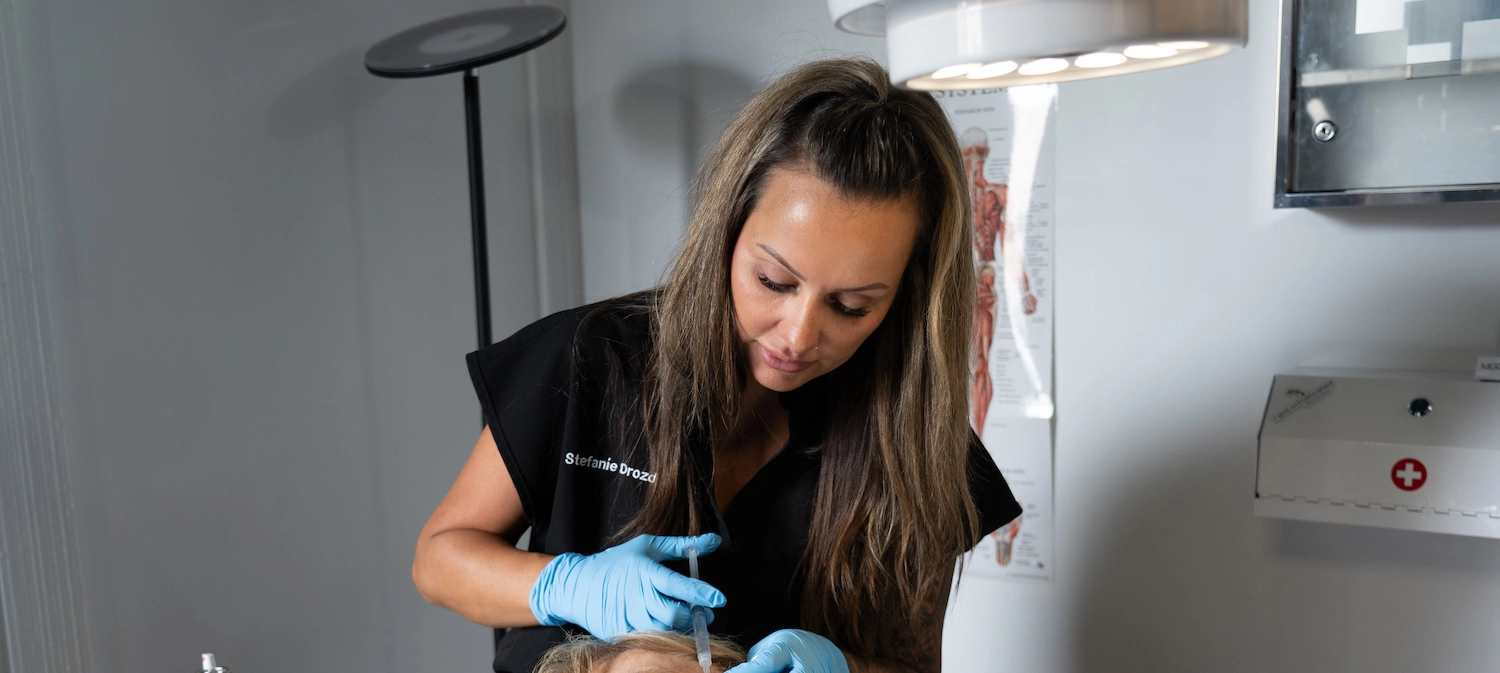
- Advanced medical training and board certification
- Extensive experience in facial anatomy and aesthetics
- Conservative, natural-results philosophy
- Commitment to patient safety and satisfaction
Multi-Location Consistency
With clinics in La Grange, Mount Greenwood, Frankfort, and Shorewood, you get:
- Consistent protocols and quality across all locations
- Same high standards wherever you’re treated
- Convenient options for follow-up appointments
- Suburban accessibility without downtown premium pricing
Transparent Pricing
PDO thread lift pricing at Express Med Spa ranges from $800 to $2,500, depending on:
- Number of threads needed
- Areas being treated
- Complexity of placement
- Whether smooth or barbed threads are used
We believe in upfront pricing with no surprise fees. You’ll know exactly what to expect before your treatment.
Comprehensive Consultation Process
Before any PDO thread treatment, you’ll receive:
- Detailed facial analysis
- Realistic assessment of what threads can achieve
- Discussion of alternative or complementary treatments
- Opportunity to ask all questions
- Clear explanation of aftercare requirements
We don’t pressure you into treatments. Our goal is to ensure PDO threads are the right choice for your specific needs and goals.
Frequently Asked Questions About PDO Thread Stability
Q: Can I feel the threads in my face after they’re placed?
A: In the first few days, you may be aware of the threads, especially when making certain facial expressions. This awareness typically diminishes within a week as your tissue adjusts. After 2-3 weeks, most patients forget the threads are there entirely.
Q: Will the threads poke through my skin?
A: When placed at the proper depth by an experienced provider, this is extremely rare (less than 1% of cases). The barbed design and biological integration process keep threads securely embedded. If extrusion were to occur, it would typically happen in the first 2-4 weeks, which is why our follow-up appointments are so important.
Q: Can I have an MRI or X-ray with PDO threads?
A: Yes, absolutely. PDO threads are not metal and will not interfere with MRI or X-ray imaging. They are radiolucent (invisible to X-rays) and non-magnetic.
Q: What if I accidentally hit my face after getting PDO threads?
A: Minor bumps or touches won’t displace properly placed threads. However, significant trauma to the face in the first 2-3 weeks (before complete biological integration) could potentially affect thread position. This is uncommon. If you experience facial trauma, contact your provider for evaluation.
Q: Can I still get PDO threads if I have thin skin?
A: Possibly, but it requires careful assessment. Very thin skin has less tissue for thread anchoring and higher risk of visibility or palpability. Your nurse practitioner will evaluate your skin quality during consultation and may recommend alternative treatments if PDO threads aren’t ideal for you.
Q: Will my body reject the PDO threads?
A: No. PDO is biocompatible and has been used in surgical sutures for decades without rejection issues. Your body will integrate the threads and gradually break them down naturally. True allergic reactions to PDO are essentially non-existent in medical literature.
Q: How many threads will I need?
A: This varies significantly based on your anatomy, degree of sagging, and treatment goals. Typical ranges:
- Cheek lift: 4-8 threads per side
- Jowl definition: 2-4 threads per side
- Neck lifting: 6-12 threads total
- Brow lift: 2-4 threads per side Your nurse practitioner will provide a specific recommendation during your consultation.
Q: Can I combine PDO threads with my existing filler or Botox treatments?
A: Yes, these treatments complement each other beautifully. PDO threads address structural sagging, while fillers restore volume and neurotoxins relax dynamic wrinkles. Many patients at Express Med Spa maintain all three as part of their comprehensive anti-aging strategy.
Your Next Steps: PDO Thread Lift at Express Med Spa
Now that you understand exactly how PDO threads stay securely in place through mechanical anchoring and biological integration, you can make an informed decision about whether this treatment is right for you.
Is a PDO Thread Lift Right for You?
Ideal Candidates:
- Mild to moderate skin laxity (not severe sagging)
- Good overall skin quality
- Realistic expectations about results
- Not ready for or wanting to avoid surgery
- Ages 35-65 (though individual assessment matters more than age)
- Good general health
May Not Be Ideal If:
- Severe skin sagging (surgical lift may be more appropriate)
- Very thin, fragile skin
- Active skin infection or inflammation
- Unrealistic expectations
- Unwilling or unable to follow aftercare instructions
What to Expect at Your Express Med Spa Consultation
When you schedule a PDO thread lift consultation at any of our locations, you’ll receive:
- Comprehensive Facial Analysis
- Assessment of skin quality, thickness, and laxity
- Evaluation of facial volume loss
- Identification of optimal treatment areas
- Discussion of your aesthetic goals
- Treatment Planning
- Recommendation of thread type and quantity
- Discussion of alternative or complementary treatments
- Realistic expectation setting
- Timeline for results
- Transparent Pricing
- Clear breakdown of costs
- Package options if combining treatments
- Payment and financing information
- No pressure, no hidden fees
- Q&A Session
- Opportunity to ask any questions
- Review of aftercare requirements
- Discussion of potential risks and complications
- Chance to see before/after photos
Scheduling Your Consultation
Ready to explore whether PDO threads are right for you? Express Med Spa makes it easy with four convenient Chicagoland locations:
La Grange Serving Western Suburbs including La Grange, Brookfield, Western Springs, Hinsdale 0.8 miles from Metra station – perfect for your lunch-hour consultation
Mount Greenwood (Chicago) Serving Chicago’s South Side including Beverly, Mount Greenwood, Morgan Park Convenient parking, accessible from neighborhoods across the South Side
Frankfort Serving Will County including Frankfort, New Lenox, Mokena, Tinley Park Easy access from I-80 and US-45
Shorewood Serving Southwest Suburbs including Shorewood, Joliet, Plainfield, Minooka Newest location with modern facility
Book Your Consultation:
- Online: expressmedspas.com/online-booking
- Phone: (877) 363-3772
- Walk-ins welcome subject to availability
Investment in Your Appearance
PDO thread lift pricing at Express Med Spa:
- Starting at $800 for targeted treatment areas
- Up to $2,500 for comprehensive lifting
- Transparent pricing with no surprise fees
- Package discounts available when combining with other treatments
- Financing options to fit your budget
Final Thoughts: Science Meets Artistry
Understanding how PDO threads stay in place reveals the sophisticated science behind this treatment. The combination of mechanical anchoring through carefully designed barbs and biological integration through collagen formation creates a remarkably stable, effective system for non-surgical facial rejuvenation.
At Express Med Spa, we respect both the science and the artistry of PDO thread lifts. Our nurse practitioner-led approach ensures that your threads are placed with precision, at the correct depth, along optimal vectors for natural-looking results that last.
The threads you receive during your 30-45 minute treatment will immediately begin their dual action: physically lifting your tissue while simultaneously triggering your body’s own regenerative processes. Over the following months, what starts as a foreign suture becomes an integral part of your skin’s own support structure, a living scaffold that maintains your rejuvenated appearance long after the original thread material has dissolved.
This is the power of working with your body’s natural healing abilities rather than against them. PDO threads don’t fight aging with permanent implants or extensive surgery. They harness your own collagen-producing capabilities to restore and maintain a more youthful appearance from within.
If you’re ready to experience the remarkable stability and effectiveness of PDO threads for yourself, we invite you to schedule a consultation at Express Med Spa. Let us show you how science, skill, and artistry come together to deliver natural, beautiful results that reflect the confident, vibrant person you are inside.
This blog post is for educational purposes and does not constitute medical advice. Individual results may vary. PDO thread lifts should only be performed by qualified medical professionals. Consult with a board-certified provider to determine if PDO threads are appropriate for your specific needs and goals.
About Express Med Spa: Founded by Stefanie Drozd, MSN-APRN, Express Med Spa operates four locations across Chicagoland (La Grange, Mount Greenwood, Frankfort, and Shorewood), offering nurse practitioner-led aesthetic treatments including PDO thread lifts, neurotoxin injections, dermal fillers, laser treatments, medical weight loss, and advanced skincare. We’re committed to natural results, transparent pricing, and exceptional patient care.
Ready to explore PDO thread lifts? Schedule your complimentary consultation at our La Grange location today.
Not ready to commit? That’s exactly why we offer free consults.
Not ready to commit?
That’s exactly why we offer free consults.
🧬 No pressure. Just personalized care that fits your goals.

Stefanie Drozd, APRN
Founder & Nurse Practitioner
354
5 Star Average Rating
Five Star Reviews... and growing
Let’s Talk About Your Skin Goals
You don’t have to guess what treatment is right for you. Book a complimentary consultation and let our licensed professionals help you choose the safest and most effective option. We will walk you through your options and help you decide what makes the most sense for your skin, goals, and budget.Express Med Spa Team