

Injectables & Anti-Aging Treatments
PRP (Platelet-Rich Plasma) hair restoration is an effective non-surgical hair loss treatment for stimulating hair growth and addressing hair loss. However, to achieve the best results, proper treatment aftercare is essential.
At Express Med Spa, we understand that taking care of your hair and scalp after your PRP therapy plays a major role in the outcome.
8 PRP Hair Aftercare Tips You Should Follow
1. Avoid Direct Sun Exposure
After your PRP therapy, your scalp will be sensitive, and direct sunlight can be harmful, causing irritation or sunburn. To prevent this, avoid prolonged exposure to the sun for at least the first few days. If you have to go outside, wear a hat or use sunscreen specifically made for sensitive skin.
Protect your scalp by applying a broad-spectrum sunscreen with SPF 30 or higher if you’re going out in the sun. This will help shield your sensitive scalp from harmful UV rays.
2. Avoid Hot Showers and Saunas
Hot water can increase blood flow to your scalp, potentially causing irritation and interfering with the healing process. For at least 48 hours following treatment after your PRP for hair loss, avoid hot showers, hot tubs, or saunas.
Stick to lukewarm water when washing your hair to keep your scalp comfortable and allow the PRP therapy to work effectively.
Keep your showers short and use lukewarm water to wash your hair. Avoid high-heat styling tools like hairdryers and straighteners for the first few days.
3. Be Gentle When Touching or Massaging Your Scalp
Your scalp may feel tender immediately after PRP. Avoid rubbing or scratching the treated area. After the first 48 hours, you can start massaging your scalp gently with your fingertips to boost circulation and encourage healing, but be sure not to apply excessive pressure.
Use the pads of your fingers to gently massage your scalp. Avoid using your nails, as they can scratch and irritate the skin.
4. Use Mild Hair Care Products
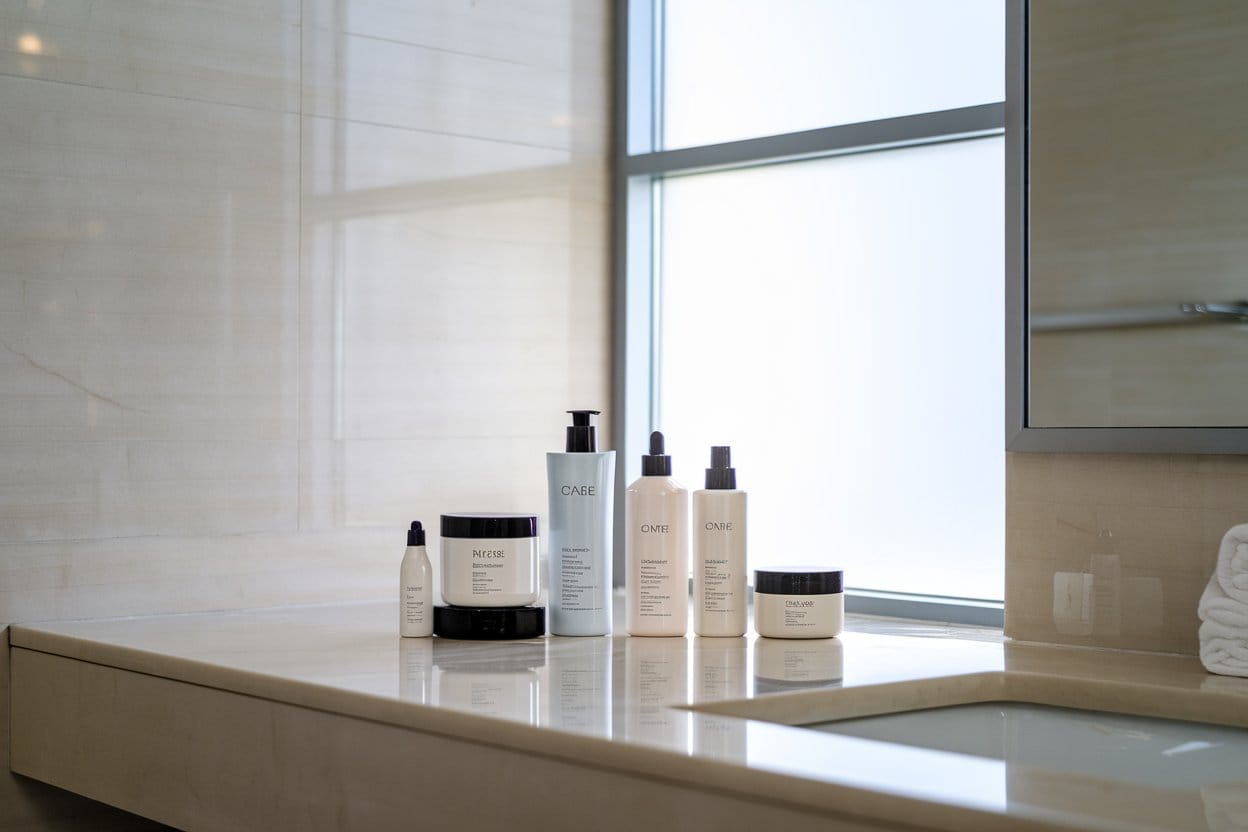
It’s essential to use mild, sulfate-free hair products after PRP therapy for hair to avoid irritating your sensitive scalp. Harsh chemicals in shampoos, conditioners, and styling products can affect the healing after PRP and disrupt the PRP injections’ effectiveness.
Choose gentle, fragrance-free products that are specifically designed for sensitive skin. Avoid products that contain alcohol or strong fragrances, as they can cause irritation.
5. Wait Before Dying or Coloring Your Hair
It may be tempting to color your hair right after the PRP therapy for hair, but it’s best to wait before applying any hair dye or chemical treatments. Hair dye and other chemicals can irritate the scalp and interfere with the effectiveness of the PRP procedure.
Wait at least 2 to 4 weeks before applying hair dye. This will give your scalp ample time to heal and allow the PRP to settle in for optimal results.
6. Sleep with Your Head Elevated
For the first few nights following your treatment, you may experience some swelling or discomfort. To reduce swelling and ensure that the PRP injections are correctly absorbed, sleep with your head elevated on a pillow. This will help your scalp heal more effectively.
Use an extra pillow or two to prop up your head while sleeping. It will minimize swelling and make you feel more comfortable while your scalp recovers.
7. Avoid Tight Hairstyles
Tight hairstyles, like ponytails, braids, or buns, can put unnecessary pressure on your scalp and disrupt the healing after PRP. During the first few days following your treatment, avoid tight hairstyles to prevent irritation and allow your hair follicles to recover.
Opt for loose, comfortable hairstyles that won’t pull or tug at your scalp. This will reduce stress on your hair follicles and give them time to heal.
8. Hydrate and Eat a Nutrient-Rich Diet

Nourishing your body from the inside out is just as important as taking care of your scalp. A healthy, balanced diet rich in vitamins can help promote hair growth and support the platelet-rich plasma therapy.
Drink plenty of water and eat nutrient-rich foods that are high in vitamins and minerals, especially those known to benefit hair health.
Include foods rich in biotin, vitamin D, zinc, and omega-3 fatty acids. Some great options include eggs, leafy greens, fish like salmon, and nuts.
What to Avoid After PRP Hair Treatment
In addition to the care instructions above, there are several things you should avoid to ensure the success of your PRP hair restoration. Avoiding certain activities during the first few weeks will help you achieve the best possible results from your treatment:
1. Smoking
Smoking restricts blood circulation and reduces oxygen flow to the scalp, which can impair the healing process and hinder hair regrowth. It’s recommended that you avoid smoking for at least 2-3 weeks after your PRP treatment.
If possible, try to quit smoking or reduce your intake during the recovery phase. Not only will it improve hair regrowth, but it will also benefit your overall health.
2. Excessive Alcohol Consumption
Drinking too much alcohol can dehydrate your body, and dehydration can negatively affect your scalp and hair health. Alcohol also slows down the body’s healing process, which can interfere with the effectiveness of the PRP treatment.
Limit your alcohol intake during the recovery period. Staying hydrated by drinking water is much more beneficial for hair growth.
3. Strenuous Exercise
While regular exercise is excellent for your health, you should avoid intense physical activities for the first 48 hours after PRP therapy for hair. Strenuous exercise increases blood circulation and can lead to sweating, which could irritate your scalp and disrupt the healing process.
After 48 hours, you can resume light exercise, but avoid activities that cause sweating or put excessive pressure on your scalp.
4. Tight Hats or Caps
Wearing tight hats or caps can put pressure on your scalp and disrupt the healing process, potentially affecting the absorption of the PRP. Tight headwear could also cause irritation to the scalp.
It’s best to avoid tight hats for at least the first few days after your treatment. Opt for looser, comfortable headwear if you need to wear something to protect your scalp.
5. Hot Showers, Hot Tubs, and Saunas
Heat can irritate your scalp and increase swelling, so avoid hot showers, hot tubs, or saunas for the first 48 hours after your PRP therapy for hair. High heat can also lead to scalp sensitivity and redness or bruise.
Stick to lukewarm water for bathing and washing your hair. Avoid exposing your scalp to extreme heat until your recovery is complete.
6. Dyeing or Chemical Treatments
Hair dyes and other chemical treatments can irritate the scalp, and the chemicals may interfere with the healing process of PRP injections. It’s best to wait at least 2-4 weeks before coloring or chemically treating your hair.
If you want to change your hair color, plan to do so only after your scalp has fully healed to avoid disrupting the platelet-rich plasma therapy’s effect.
7. Scratching or Rubbing the Scalp
While it may be tempting to scratch an itchy scalp, avoid doing so for at least the first 48 hours. Scratching or rubbing the scalp aggressively can irritate the treated area, cause dryness and irritation, and disrupt the healing process. This can also impede hair growth and affect the overall effectiveness of the treatment.
If your scalp feels itchy, resist the urge to scratch. A gentle scalp massage (once it’s safe to do so) can help relieve the sensation without irritating.
FAQs
When Can I Wash My Hair After PRP?
Avoid washing your hair for at least 24 hours after PRP treatment to allow the platelets to settle into the scalp. After the 24-hour mark, you can gently wash your hair using lukewarm water and a sulfate-free shampoo.
Be very gentle with your scalp—don’t scrub it too hard, as this can cause dryness and irritation. Maintaining proper aftercare is essential to avoid any disruption to the healing process.
How Soon Can I Cut My Hair After PRP Treatment?
It’s safe to cut your hair about 2 weeks after PRP treatment. Avoid cutting or shaving the treated area too soon, as this could disrupt the healing process.
Allow your scalp to recover and your PRP injections to work before making any changes to your hair length or style.
How Long Does a PRP Injection Last?
PRP injections typically last anywhere from 12 to 18 months, but the duration varies from person to person. Factors like your overall health, the extent of hair thinning, and how well you follow proper aftercare instructions can influence the longevity of the results.
Some people may need maintenance treatments every 6 to 12 months to keep their results looking great. Don’t forget to schedule appointments with your healthcare provider for follow-up checks to monitor progress and maintain the best results.
Get the Best Results with Proper PRP Aftercare – Contact Express Med Spa Today!
Proper PRP hair restoration aftercare is crucial for getting the best results. By following these 8 essential tips: avoiding sun exposure, using gentle products, and nourishing your body, you’ll create the ideal environment for your hair to grow back fuller and healthier.
Remember, consistency is key to success. Stick to the aftercare routine, stay patient, and you’ll be well on your way to regrowing natural, thicker hair.
At Express Med Spa Frankfort, we’re committed to helping you every step of the way on your hair restoration journey. If you have any questions or need guidance on aftercare, feel free to reach out and contact us for free consultation. We’re here to support you in achieving the beautiful, thick hair you deserve!
Not ready to commit? That’s exactly why we offer free consults.
Not ready to commit?
That’s exactly why we offer free consults.
🧬 No pressure. Just personalized care that fits your goals.

Stefanie Drozd, APRN
Founder & Nurse Practitioner
354
5 Star Average Rating
Five Star Reviews... and growing
Let’s Talk About Your Skin Goals
You don’t have to guess what treatment is right for you. Book a complimentary consultation and let our licensed professionals help you choose the safest and most effective option. We will walk you through your options and help you decide what makes the most sense for your skin, goals, and budget.Express Med Spa Team
Share
Recent Posts


Not ready to commit?
That’s exactly why we offer free consults.
🧬 No pressure. Just personalized care that fits your goals.