
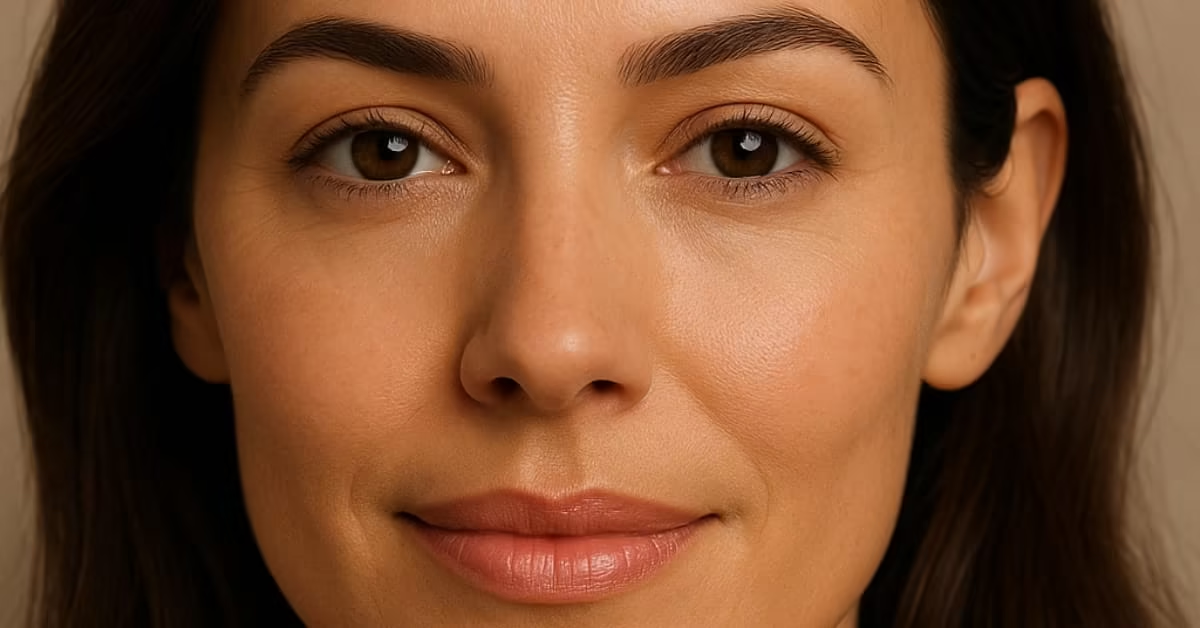
Botox is a popular cosmetic procedure for removing fine lines and wrinkles and restoring a youthful look. However, some people may wonder, “Can you get Botox removed?”
This issue is critical if you have poor results or want to reverse the effects of the procedure, especially since Botox is not a permanent solution.
Can You Get Botox Removed? In this detailed guide, we’ll cover everything you need to know about Botox removal, including why you might want to reverse the procedure and how to avoid unwanted outcomes.
Table of Contents
What is Botox?
Botox, or Botulinum toxin type A, is a well-known cosmetic treatment that smoothes out dynamic wrinkles. These lines emerge due to muscle action. The treatment involves injecting a pure botulinum toxin type A into targeted muscles.
If you are local, you can also learn about our Mount Greenwood Botox & Xeomin treatments.
This toxin briefly inhibits the production of acetylcholine, a neurotransmitter that causes muscles to contract. As a result, the muscles relax, and the skin above them smoothes, improving the appearance.
Types of Botox Treatments:
- Forehead Lines: Lowers horizontal lines on the forehead generated by lifting the brows.
- Crow’s Feet: Smoothes wrinkles around the eyes that develop when you smile or squint.
- Frown Lines: Reduces vertical lines between the brows caused by frowning or concentrating.
- Jaw Botox: Helps thin the jawline by relaxing the masseter muscle; commonly used for those with a square jaw or bruxism (teeth grinding).
Botox works by disrupting nerve and muscle signals that produce muscular spasms, resulting in a smoother look on the skin. The therapy is short, often lasting 15-30 minutes, with little downtime.
Results are generally evident within a few days, with full benefits appearing within two weeks as Botox takes effect.
Patients often visit an aesthetic medical spa for a variety of treatments, including filler and botox and dermal fillers, to address fine lines and wrinkles and achieve their desired appearance.
Can You Get Botox Removed? Reasons Why People Want to Get Rid of Botox
There are several reasons why someone would want to reverse or remove Botox:
Unsatisfactory Results: Sometimes, the results do not meet the patient’s expectations. They may perceive the therapy as too subtle or dramatic, prompting a need for correction. This can especially be the case when much Botox is used, leading to a frozen face appearance that many find unnatural. Finding a way to reverse such effects is often a priority.
Adverse Reactions: Some undesired effects may include asymmetrical outcomes, drooping eyes (ptosis), or extreme muscular weakness. These reactions can be distressing and require adjustment. Additionally, patients who use Dysport instead of Botox may experience different adverse reactions, necessitating further adjustments.
Personal Preferences Changes: People’s aesthetic preferences or facial traits might vary. They may decide the Botox treatment no longer fits their current appearance or ambitions. For example, someone might be unhappy with the way their eyebrow shape has changed due to Botox and seek to reverse it.
Health Concerns: Allergic reactions, infections, or underlying health issues may necessitate discontinuing or reversing Botox.
Misplaced or Overdone Botox: If much Botox is injected in the wrong spot or in excess, it can have undesirable consequences such as a heavy brow or uneven results. This can lead to a frozen face or drooping eyebrows, making the patient seek reversal. In some cases, patients might opt for laser treatment as an alternative or corrective measure.

Can Botox be Reversed?
Botox cannot be physically removed or reversed from the body, but its effects can be regulated or minimized through specific tactics. Reversal or correction usually entails treating the symptoms or harmful effects rather than eliminating the toxin. If you’re wondering if Botox can be completely worn off, it is important to consult with a medical professional to explore your options.
How long does it take Botox to go off naturally?
Botox effects are temporary and generally Botox effects last 3-4 months. The length of the outcomes varies depending on dose, treatment region, and individual metabolism.
For most individuals, the effects eventually fade when the Botox wears off naturally. Consulting a medical professional can provide further guidance on how long your Botox effects last and ways to manage or expedite its natural fading process.
How is Botox Removed?
Botox cannot be “undone” or dissolved in the usual sense. However, there are a few approaches and therapies that can assist relieve or rectify the negative effects:
Hyaluronidase: This enzyme, which is usually employed to dissolve hyaluronic acid fillers, is occasionally thought to reduce the effects of Botox. It works by dissolving the filler ingredients, but its application in Botox therapy is restricted and should be addressed cautiously.
Adjustments with Additional Botox: Injecting modest quantities of Botox into different facial muscles can assist in correcting bad Botox treatments or balance the initial treatment.
Consultation and Support: It is critical to schedule regular follow-up sessions with a trained practitioner. They can advise on how to address specific conditions and administer specialized therapies as needed effectively.
Xeomin vs. Botox
While Botox is a widely known and used product, Xeomin is an alternative that offers several advantages. Both products contain botulinum toxin type A, but Xeomin is a “naked” neurotoxin, meaning it lacks the extra proteins in Botox.
This difference can make Xeomin a better choice for some patients.
Purity: Xeomin’s pure form reduces the likelihood of developing resistance to treatment, which can sometimes happen with Botox due to the presence of accessory proteins.
Results: Xeomin provides the same wrinkle-reducing results as Botox, but some patients report a more natural look with Xeomin. Since it doesn’t have the additional proteins, the body may respond differently, leading to a smoother, more consistent effect.
Onset: Both Xeomin and Botox typically show results within a week, but some patients experience faster or more predictable outcomes with Xeomin.
At Express Medspas Frankfort, we use Xeomin instead of Botox to ensure that our clients receive the most effective, long-lasting, and natural-looking results.
Xeomin Benefits
Switching to Xeomin offers several benefits:
No Additives: Xeomin’s formulation contains no additives, which means a reduced risk of adverse reactions and better outcomes for those who may have sensitivity to Botox.
No Resistance Development: Because Xeomin is a pure form of botulinum toxin, patients are less likely to develop resistance, which can sometimes occur with repeated Botox use.
Cost-Effective: In some cases, Xeomin may be more cost-effective, as it can provide the desired results with fewer units required.
Natural Appearance: Patients often prefer Xeomin for its ability to deliver a more natural appearance, avoiding the “frozen” look that can sometimes be associated with Botox.
Can You Stop Botox After Starting?
Yes, you may discontinue Botox treatments after starting. Botox is only a temporary remedy with no long-term consequences. When you stop receiving injections, the treated muscles will ultimately restore normal action, and the appearance of wrinkles and lines will revert to pre-treatment levels as Botox completely wears off.
Considerations for Stopping Botox:
Wrinkles Will Gradually resurface: As muscular activity returns, the lines and wrinkles that Botox erased will gradually resurface.
No instant Effects: Stopping Botox will not create instant results; the full effects may take weeks or months to fade.
What Happens After You Stop Using Botox?
Botox’s benefits progressively fade when you stop using it. Wrinkles and fine lines will return when the treated muscles regain their capacity to contract.
The duration of this procedure varies depending on various things, including the region treated, the individual’s metabolism, and how frequently they got Botox. In more permanent treatments like plastic surgery or when using fillers, the approach may differ as fillers can sometimes need to be dissolved.
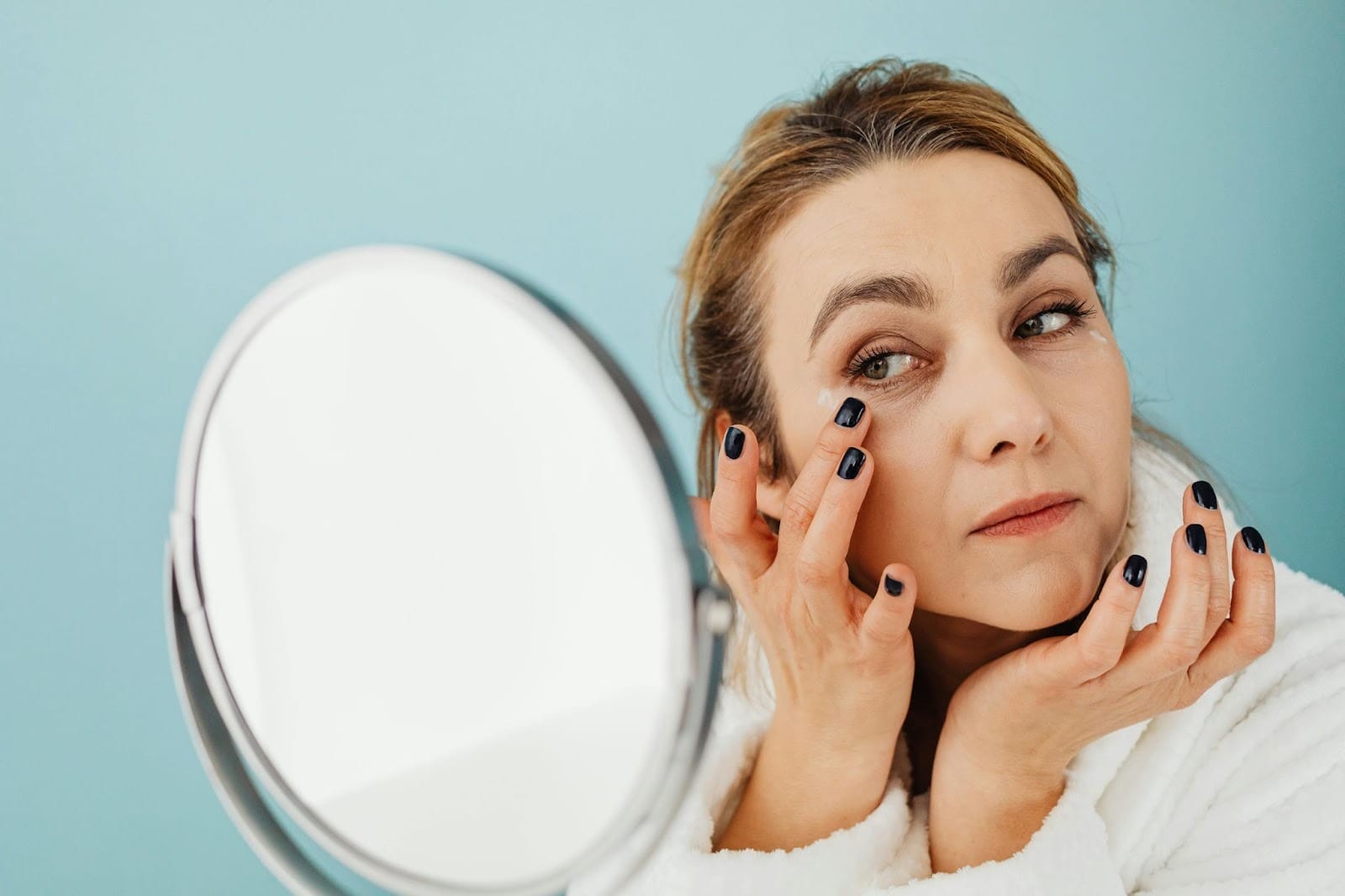
Can You Massage Botox Away?
Massaging the region where Botox was injected is typically not advised. While it may be tempting to try to affect the outcomes by rubbing the treated area, this might
- Massage may induce Botox to migrate to undesired regions, resulting in uneven or unwanted results.
- Manipulating the skin might disrupt the desired outcome, resulting in problems or unsatisfactory outcomes.
To minimize issues and get the best outcomes, always adhere to your doctor’s post-treatment advice.
How to Dissolve Botox Faster?
There are no documented ways to speed up Botox’s decomposition. However, the symptoms will eventually fade as the body metabolizes the poison. If you’re looking to get rid of Botox faster, it’s essential to be patient and allow your body to process the substance naturally.
Unlike lip filler treatments, where you can have the filler dissolved, Botox requires a natural fade.
Does heat make Botox wear off faster?
Heat has no significant effect on the pace at which Botox wears off. Excessive heat or vigorous physical activity should be avoided immediately after treatment since they might raise the risk of adverse effects or complications of Botox.
Does ice make Botox wear off faster?
Ice applied to the treated region can help minimize swelling and pain, but it does not affect how soon Botox wears off. Its primary application is to relieve post-treatment edema and bruising. Ice does not make Botox or fillers wear off faster.
Does gua sha make botox wear off faster?
Gua Sha, a traditional Chinese therapeutic procedure that scrapes the skin, should be avoided in Botox-treated regions. Applying Gua Sha may modify the distribution of Botox and impact the effects, especially if you want Botox to last as intended.
Is a Droopy Eyelid a Common Side Effect of Botox?
Droopy eyelids, or ptosis, can occur as a side effect of Botox injections, although it is not exceedingly common. This condition arises when the Botox spreads to nearby muscles that control eyelid movement, leading to temporary muscle weakness.
Special eye drops may be prescribed by a medical professional to manage this condition.
Understanding that this can happen is crucial for anyone considering Botox treatment. However, the risk can be minimized by ensuring that the injections are administered by an experienced injector who understands facial expressions and facial anatomy.
When Should You Seek Help for Bad Botox?
If you experience any severe side effects, such as severe drooping of the eyelids or difficulty breathing, it is crucial to seek immediate medical attention.
Additionally, if you notice persistent asymmetry or if your face’s frozen appearance does not improve over a reasonable period, consulting with a qualified facial plastic surgeon or an experienced injector is advisable.
They can guide the best course of action to take and monitor your recovery. In some cases, a permanent filler may be considered, but it’s essential to weigh the potential complications of Botox with any corrective treatment.
How Can I Avoid Bad Botox?
To reduce the likelihood of unpleasant Botox outcomes, consider the following tips:
Choose a Reputable Botox Clinic: Use a registered and experienced practitioner, like Express Medspas. A qualified practitioner can administer accurate injections with the best effects and ensure a natural look.
Consultation and Assessment: We will thoroughly explore your aims and expectations during the consultation. A thorough examination can help tailor the treatment to your unique needs and avoid difficulties, ensuring the effects are not permanent if you are unhappy with the results.
Understand the Process: Learn about the Botox process, its side effects, and aftercare. Being knowledgeable can help you make better decisions and identify problems early. Knowing that there is no immediate way to dissolve Botox can help set realistic expectations.
Follow Aftercare recommendations: Follow your practitioner’s post-treatment care recommendations. This includes abstaining from specific activities, such as strenuous exercise or exerting pressure on the treated regions, for a certain duration, which can affect the longevity of your anti-wrinkle treatment.
Communicate with Your physician: If you have any concerns or notice any unexpected side effects, contact your Botox physician immediately. Early intervention can help address issues before they escalate into more severe difficulties. In some cases, prescription medication might be necessary to manage adverse reactions.
Takeaway
Botox is a popular cosmetic procedure for eliminating wrinkles and restoring a youthful look. While it cannot be eradicated once administered, understanding the reversal options and considering alternatives like Xeomin can help you make more informed decisions about your cosmetic treatments.
Express Medspas offers individualized consultations and skilled Xeomin procedures in Chicago, Frankfort, La Grange, and Shorewood areas. Our expert staff is committed to providing high-quality care and accurately meeting your cosmetic objectives.
Contact us now to learn more about Xeomin treatments and how we can help you achieve outstanding results.
That’s exactly why we offer free consults.
🧬 Just personalized care that fits your goals. No Pressure.

Stefanie Drozd, APRN
Founder & Nurse Practitioner
You don’t have to guess what treatment is right for you. Book a complimentary consultation and let our licensed professionals help you choose the safest and most effective option. We will walk you through your options and help you decide what makes the most sense for your skin, goals, and budget.Express Med Spa Team
354
5 Star Average Rating
Five Star Reviews... and growing
Let’s Talk About Your Skin Goals
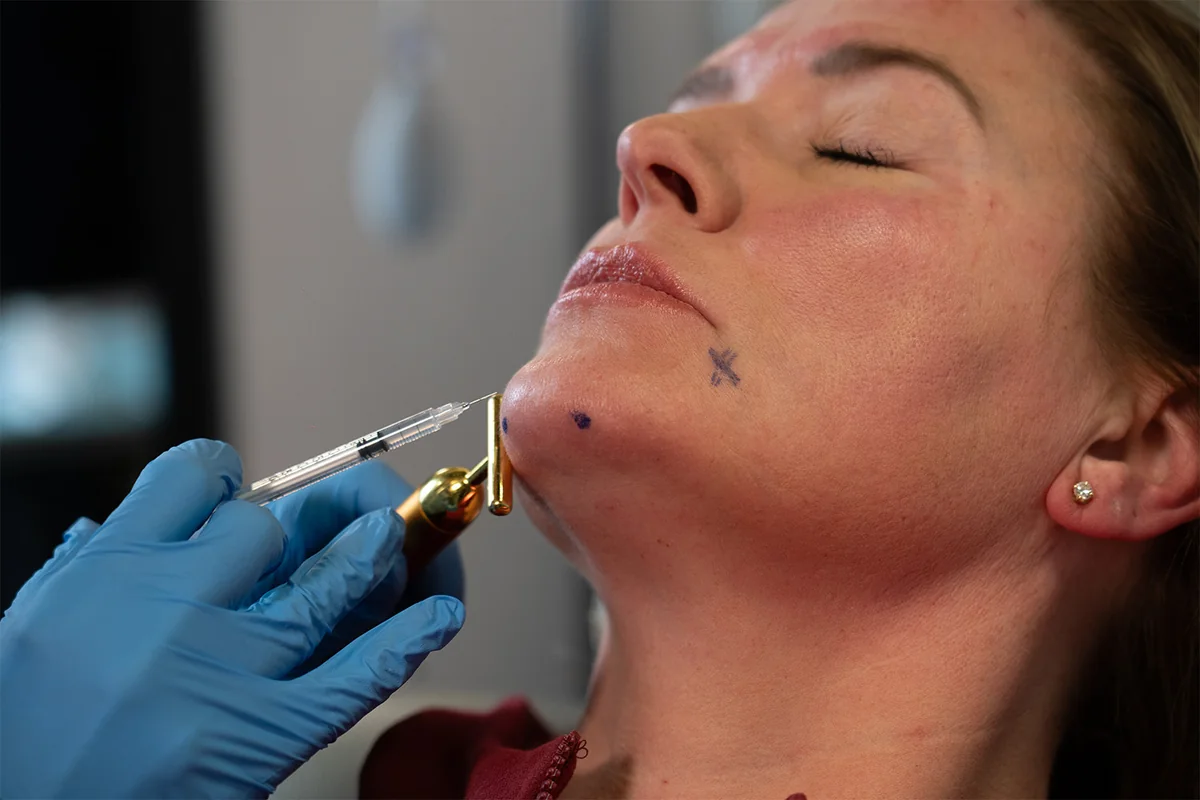
Chicagoland Medical Spa
EXPRESS MED SPA LOCATIONS
Experience our expert aesthetic treatments and personalized care at our convenient Express Med Spa locations. Whether you're looking for Botox, weight loss programs, or laser hair removal, we provide advanced beauty and wellness services across our four Chicago suburbs locations.

Med Spa Frankfort, IL
Our Express Med Spa Frankfort
clinic serves Will County with nurse practitioner-led Botox,
fillers, GLP-1 weight loss,
and laser hair removal.
Frankfort, IL
60423
(708) 840-8443
Get Directions
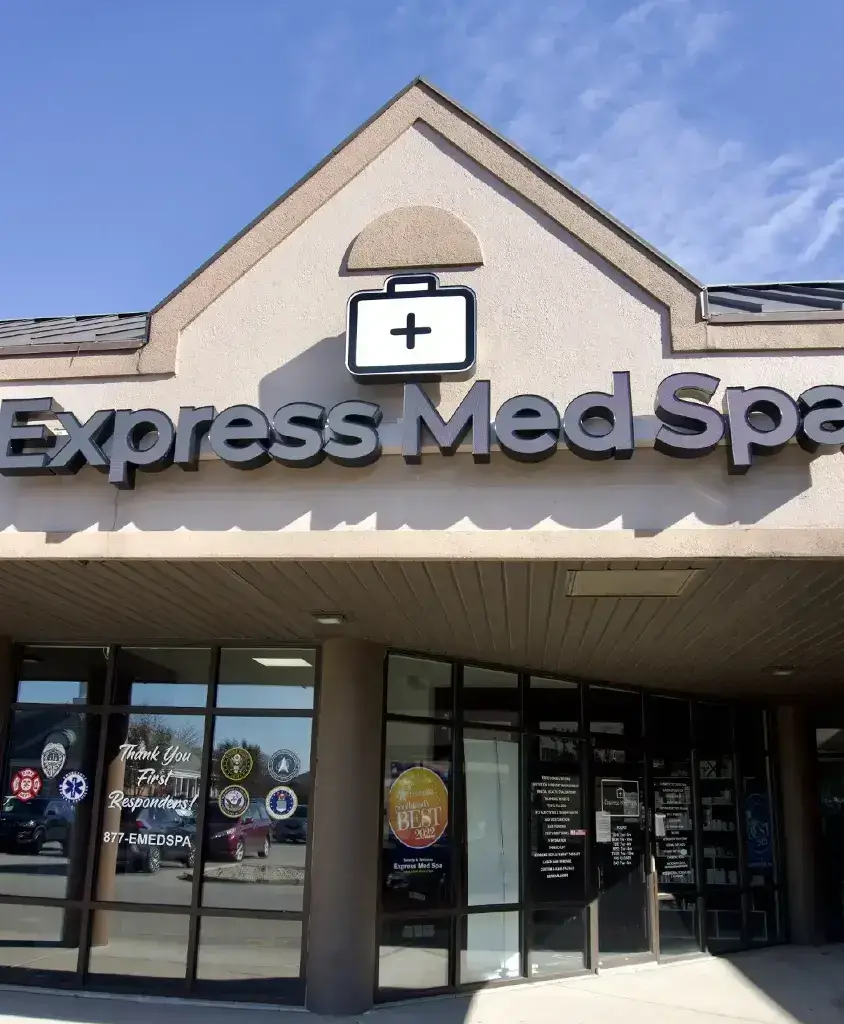
Med Spa Shorewood, IL
Our Express Med Spa Shorewood
clinic serves Joliet, Plainfield, and the I-80 corridor
with injectables, GLP-1 weight loss,
and skin care.
Shorewood, IL
60404
(877) 363-3772
Get Directions
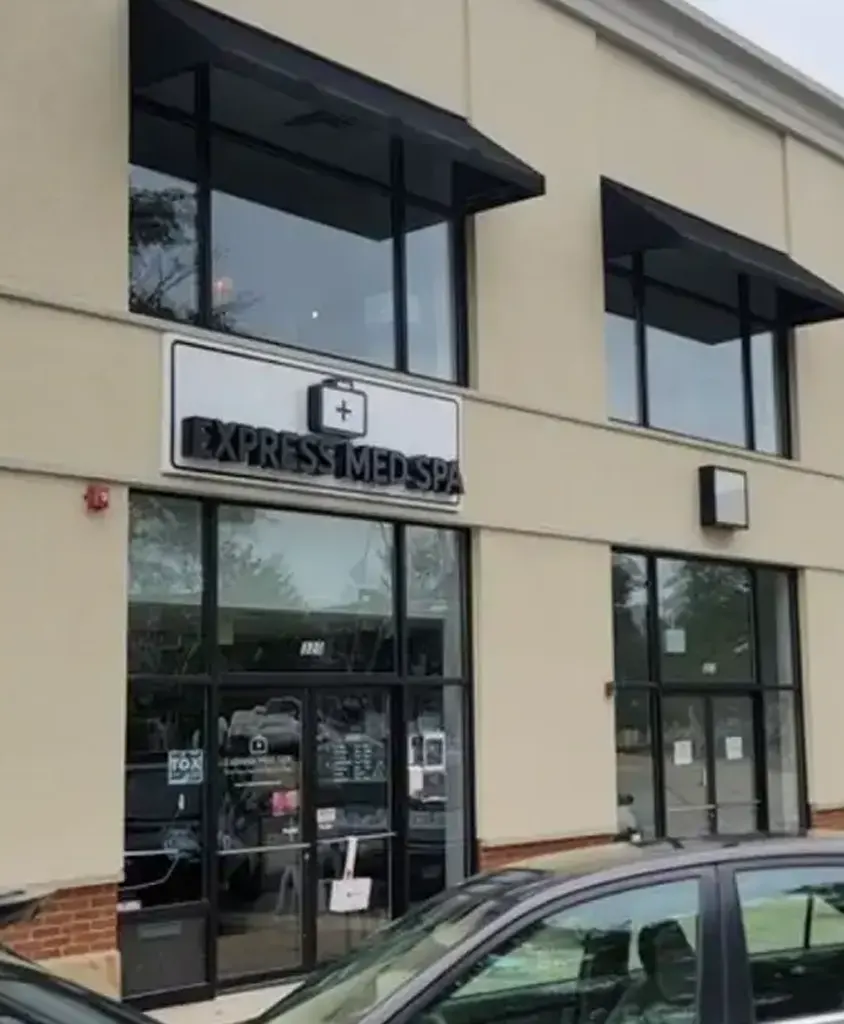
Med Spa La Grange, IL
Our Express Med Spa La Grange
clinic serves the western suburbs with Botox, fillers,
IV therapy,
and GLP-1 medical weight loss.
La Grange, IL
60525
(708) 847-0872
Get Directions
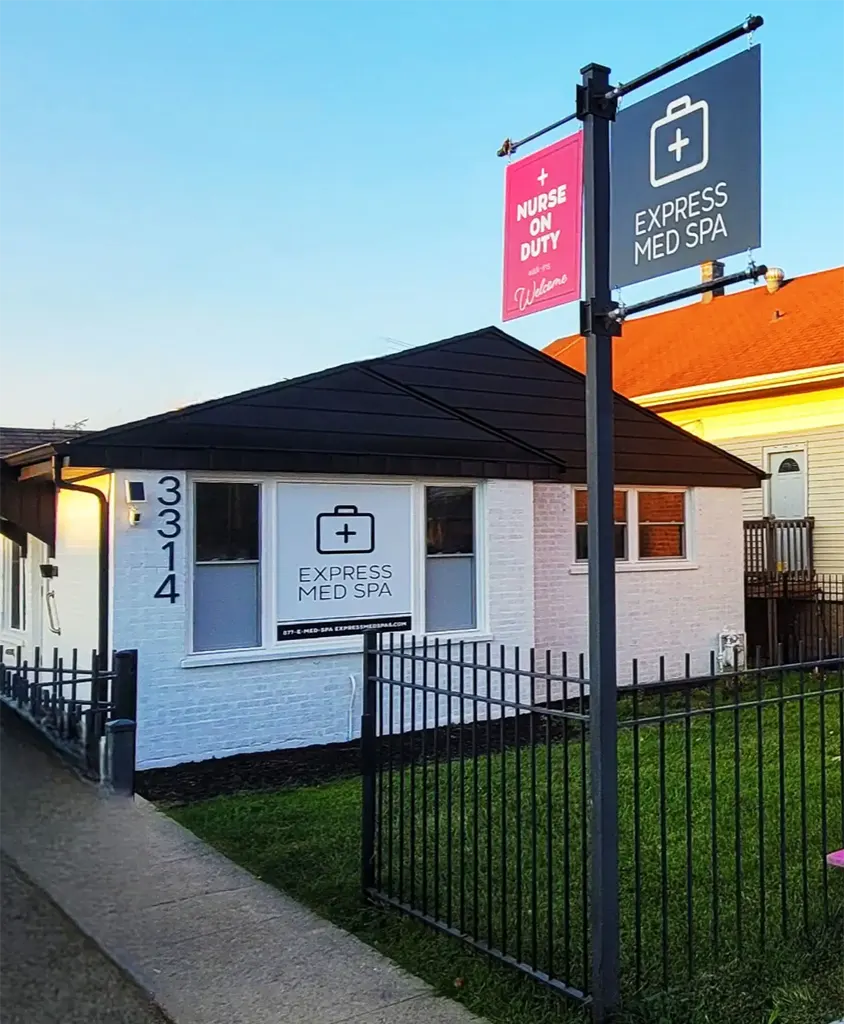
Med Spa Mount Greenwood, Chicago IL
Our Express Med Spa Mount Greenwood
clinic serves Chicago's South Side and southwest Cook County
with nurse practitioner-led injectables, GLP-1 weight loss.
Chicago, IL
60655
(877) 363-3772
Get Directions
Med Spa Manteno, IL
Our Express Med Spa Manteno
clinic serves Manteno and nearby communities
with nurse practitioner-led injectables, GLP-1 weight loss.
Manteno, IL
60950
(877) 363-3772
Get Directions
Each medical spa location is led by a licensed Nurse Practitioner, with a focus on safe, results-driven care.