
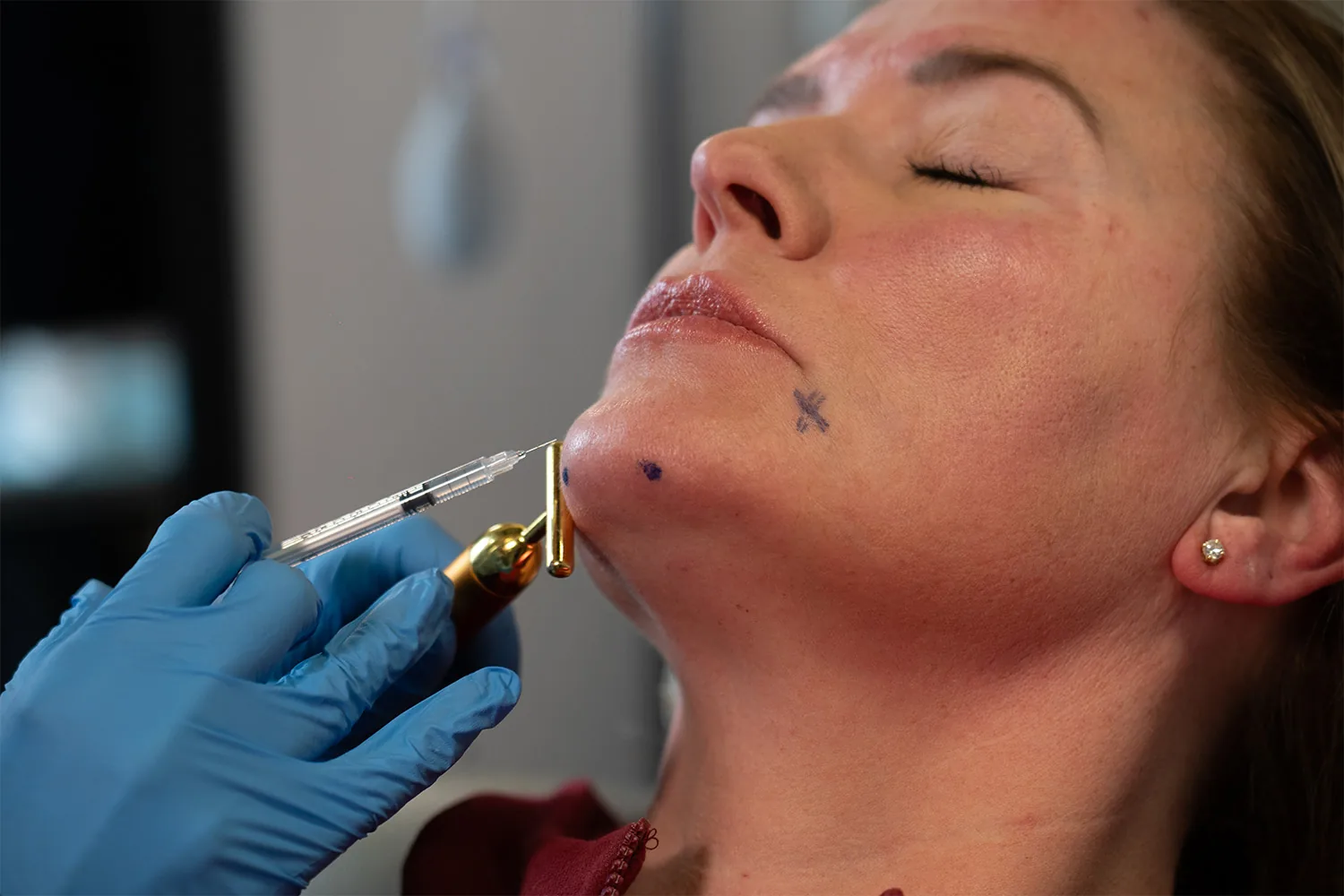
Botox, Xeomin & Filler FAQs
If you have ever wondered why Botox smoothed your forehead but did nothing for the deeper lines around your mouth, you are not imagining it. Botox and dermal filler solve two different problems, and the wrinkle itself tells you which one you are dealing with. The distinction that matters most is dynamic versus static wrinkles: lines caused by muscle movement versus lines caused by lost volume and support underneath the skin.
In a short video on why Botox will not fix every wrinkle, Lily Zelaya, RN, an aesthetic nurse injector at Express Med Spa, explains the same idea from the treatment room: Botox works on movement, filler works on volume, and figuring out the real cause of your concern is what decides the plan. This guide expands on that with a practical way to tell the two apart and match each to the right treatment.
Table of Contents
Dynamic vs. Static Wrinkles: The Short Answer
Dynamic wrinkles are caused by muscle movement and typically respond to Botox; static wrinkles are caused by age-related volume loss and typically respond to filler. The fastest way to tell them apart is to relax your face completely and look in the mirror. A line that only appears when you frown, smile, or raise your brows is dynamic. A line that stays put when your face is still is static. Most people over 40 have some of both, which is why a single treatment rarely addresses everything, and why matching the treatment to the cause matters more than picking a product by name.
What Are Dynamic Wrinkles?
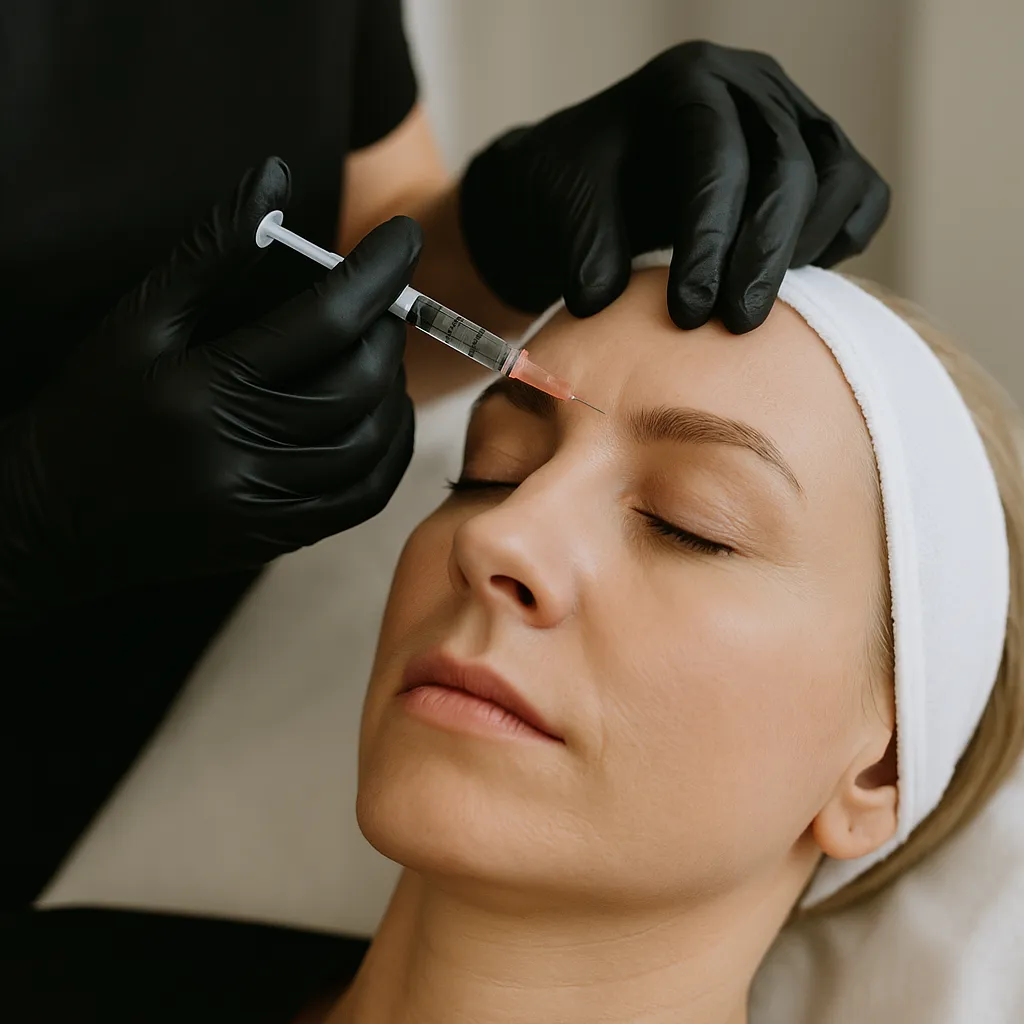
Dynamic wrinkles form from the repeated folding of skin over active facial muscles. Every time you raise your eyebrows, squint, or frown, the muscle contracts and the skin creases. Early in life the skin springs back flat. Over years of repetition, the crease starts to linger. The most common dynamic wrinkles are horizontal forehead lines, the vertical “11” frown lines between the brows, and crow’s feet at the outer corners of the eyes.
Because these lines are driven by movement, they respond to a wrinkle relaxer. Botox Cosmetic is an FDA-approved botulinum toxin type A that blocks the nerve signal telling a targeted muscle to contract. The muscle relaxes, and the overlying skin smooths. It works specifically on dynamic wrinkles and does not change skin texture, sensation, or the expressions made by surrounding muscles. Results appear gradually over roughly three to 14 days as the neurotoxin takes effect, and they are temporary, so the treatment is repeated to maintain the result.
What Are Static Wrinkles?
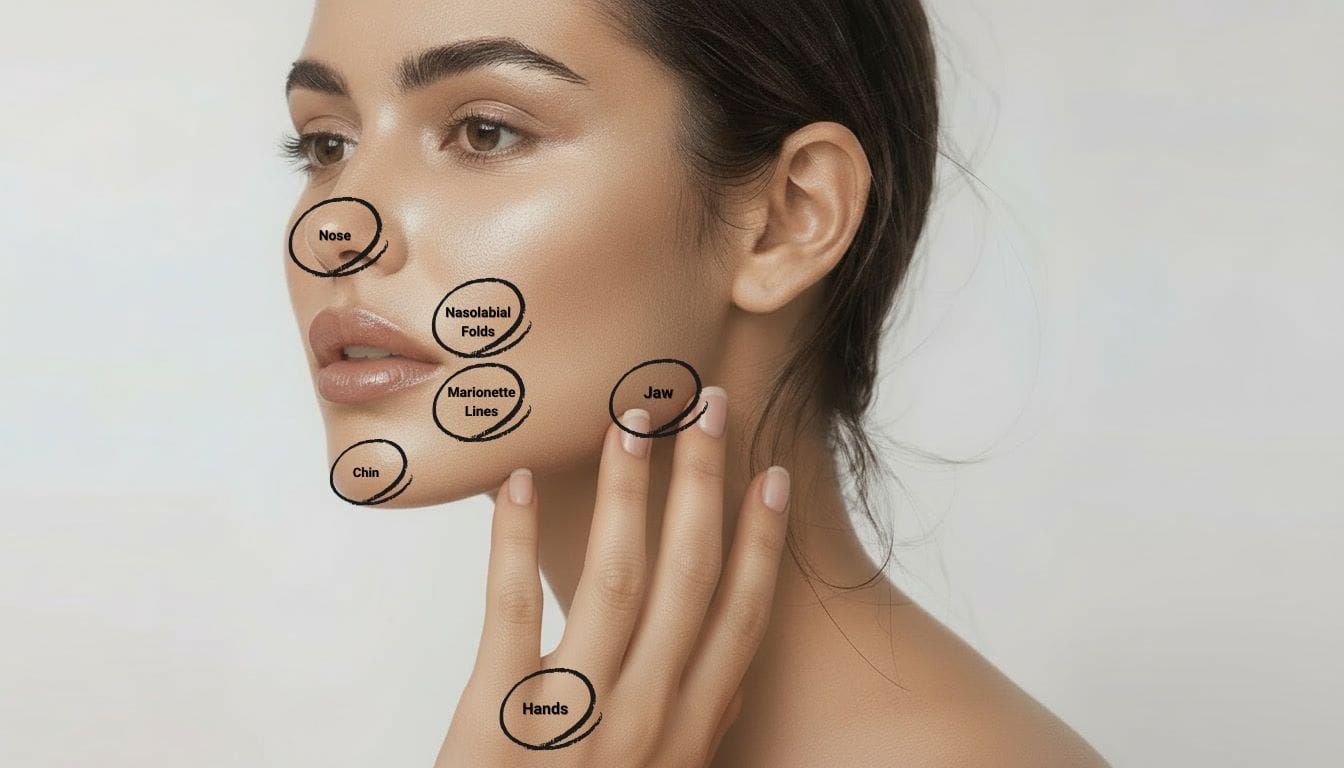
Static wrinkles are present even when your face is completely relaxed, because they are not caused by muscle movement at all. As we age, the face slowly loses collagen, facial fat, and some of the bone support that gives it shape. The fat pads that once kept the cheeks and midface full begin to shrink and shift. As that scaffolding deflates, the skin above it has less to rest on, and lines settle in that stay visible at rest.
This is why cheeks can look flatter than they used to, why smile lines (nasolabial folds) seem to deepen, and why marionette lines and small shadows appear around the mouth. These changes come from lost support underneath the skin, not from muscles pulling on it, so relaxing a muscle does little for them. The fix is to replace the missing support. A hyaluronic acid filler such as Revanesse Versa+ is placed precisely to rebuild structure, softening the line from underneath. Because the gel integrates with your own tissue, the result reads as structural rather than superficial.
How to Tell Which Type You Have
The mirror test is simple and surprisingly reliable. Sit in good light, let every muscle in your face go slack, and look. Any line that softens or vanishes when your face is at rest is a dynamic wrinkle. Any line that remains is a static wrinkle. Now make your usual expressions, raise your brows, frown, and smile, and watch which lines deepen with movement. Those are the ones a relaxer can influence.
The trap is that many lines are mixed. A frown line can start dynamic and, after enough years, etch into a static crease that is faintly visible even at rest. In those cases Botox can soften the movement component while the deeper set-in line may still need filler or resurfacing to fully address. This overlap is exactly why a self-assessment points you in the right direction but a provider confirms the plan.
One more clue is location. Movement lines cluster in the upper face, where the muscles of expression are most active: the forehead, between the brows, and around the eyes. Volume-loss lines tend to show up in the mid and lower face, where the fat pads and bone support change most with age: flattening cheeks, deepening folds beside the nose, and creases below the corners of the mouth. If your concern lives in the upper third of the face, think movement first; if it lives in the lower two-thirds, think support first. It is a rule of thumb, not a diagnosis, but it lines up with why each treatment exists.
When Botox Is the Right Choice
Botox is the right tool when the concern is movement. It is well suited to forehead lines, frown lines between the brows, and crow’s feet, and it is also used for a range of expression-driven concerns beyond classic wrinkles. If your main frustration is lines that show up when you animate your face and ease when you relax, a wrinkle relaxer is usually the more direct answer than filler. You can read more about what the treatment does, and does not do, in our overview of what Botox actually does, and see the full treatment on the Botox Cosmetic page.
When Filler Is the Right Choice
Filler is the right tool when the concern is volume. When cheeks flatten, the midface loses its lift, and folds deepen at rest, the goal is to rebuild support rather than relax a muscle. Common volume-loss treatments include cheek and midface filler to restore the structural center of the face, nasolabial fold filler for the lines from the nose to the mouth, and marionette line filler for the creases that run from the corners of the mouth toward the chin. Done well, filler is not about making the face bigger or changing how you look; it replaces support that has been lost so everything looks a little softer and more refreshed. Our guide to facial volume loss covers what is happening beneath the surface in more detail.
It also helps to know that filler results are not instant-and-done in the way a relaxer is. Some correction is visible right away, while the final look settles over the following weeks as any swelling resolves and the gel integrates with your tissue. How long the result lasts depends on the product, the area, and your own metabolism, and results vary from person to person. Your provider will talk through what is realistic for your specific concern rather than promising a fixed outcome.
Why Many Faces Need Both
Aging rarely picks just one mechanism. It is common to have active frown lines and flattening cheeks at the same time, which is why a thoughtful plan often uses both tools for different jobs: Botox to calm the movement lines up top, and filler to restore support lower in the face. Used together and conservatively, they address causes a single product cannot. There is no one treatment that fixes everything, and the most natural-looking outcomes usually come from treating each concern with the approach that actually matches its cause.
What Neither Botox Nor Filler Fixes
It is worth being honest about the limits of both tools, because managing expectations is part of a good result. Neither Botox nor filler is designed to fix surface-level skin quality. Fine crepey texture, sun damage, uneven tone, enlarged pores, and shallow etched lines are concerns of the skin itself, not of muscle movement or deep volume, so a relaxer or a filler will not erase them. These concerns are usually addressed with resurfacing and collagen-building treatments such as microneedling, chemical peels, or laser, sometimes alongside injectables rather than instead of them.
This is another reason the diagnosis matters more than the product. Someone who books filler expecting it to smooth crepey under-eye skin, or Botox expecting it to lift a deflated cheek, is likely to be disappointed, not because the treatment failed, but because it was aimed at the wrong problem. A provider who assesses the cause first can steer you toward the treatment, or the combination of treatments, that actually matches what you see in the mirror.
Common Wrinkles and What Treats Them
| Concern | Wrinkle type | Typical approach |
|---|---|---|
| Forehead lines | Dynamic | Botox / wrinkle relaxer |
| Frown lines (11s) | Dynamic | Botox / wrinkle relaxer |
| Crow’s feet | Dynamic | Botox / wrinkle relaxer |
| Flat or hollow cheeks | Static (volume loss) | Cheek & midface filler |
| Deep smile lines (nasolabial folds) | Static (volume loss) | Nasolabial fold filler |
| Marionette lines | Static (volume loss) | Marionette line filler |
| Etched line visible at rest | Mixed | May combine relaxer and filler |
Use the table as a starting point, not a prescription. Placement, product choice, and how much you need are decisions your injector makes based on your anatomy and goals during an in-person assessment.
What a Consultation Looks Like
Because the same wrinkle can have different causes on different faces, treatment at Express Med Spa starts with an assessment rather than an assumption. Your provider looks at how your face moves, where it has lost support, and what is actually driving the line that bothers you, then recommends Botox, filler, a combination, or a different treatment altogether. Pricing depends on the plan and the areas treated, so it is reviewed during your visit; every consultation is complimentary, and prices are subject to change. If you are not sure whether Botox or filler fits your concern, a consultation is the most reliable way to find out.
Express Med Spa is a nurse practitioner-led medical spa with locations in Frankfort, La Grange, Shorewood, and Mount Greenwood in Chicago, serving clients across Will County and the Chicago southwest suburbs. You can book a complimentary consultation online whenever you are ready.

About Your Injector
Lily Zelaya, RN, is an aesthetic nurse injector at Express Med Spa in La Grange. As she puts it, her job as a registered nurse is to figure out what is actually causing your concern so the two of you can choose the treatment that makes the most sense for your face, whether that is a wrinkle relaxer, filler, or a combination. That diagnostic mindset, matching the treatment to the cause instead of the other way around, is the throughline of everything in this guide.
Frequently Asked Questions
Does Botox get rid of all wrinkles?
No. Botox softens dynamic wrinkles, the lines created by repeated muscle movement such as forehead lines, frown lines, and crow’s feet. It does not restore the volume that causes static lines like deep smile folds or marionette lines. Those typically respond to filler, not a wrinkle relaxer.
What is the difference between dynamic and static wrinkles?
Dynamic wrinkles appear when you make expressions and fade when your face is at rest. Static wrinkles stay visible even when your face is relaxed, because they come from lost collagen, facial fat, and bone support rather than muscle movement. The two types often need different treatments.
Can Botox treat deep smile lines or marionette lines?
Usually not on its own. Deep nasolabial folds and marionette lines are typically static lines driven by volume loss in the midface, so they respond better to dermal filler that rebuilds structural support. A provider may combine treatments, but Botox alone rarely erases a line that is present at rest.
Do static wrinkles need filler?
Often, yes. Static wrinkles caused by age-related volume loss respond to hyaluronic acid filler, which replaces the support the face has lost so the line softens. Results vary by person and area, and the right approach is confirmed during a consultation rather than assumed from the wrinkle alone.
Can you get Botox and filler at the same time?
In many cases, yes. Because dynamic and static wrinkles have different causes, a treatment plan sometimes uses Botox to calm movement lines and filler to restore lost volume in the same visit. Your injector decides what is appropriate for your face and goals during the consultation.
How do I know if I need Botox or filler?
Relax your face and look in the mirror. Lines that disappear at rest are usually dynamic and may respond to Botox; lines that remain are usually static and often need filler. A consultation confirms the cause, because many faces show a mix of both and benefit from a combined plan.
Meet our nurse practitioner-led team.That’s exactly why we offer free consults.
Meet our nurse practitioner-led team.
That’s exactly why we offer free consults.
🧬 Personalized care that fits your goals.

Stefanie Drozd, APRN
Founder & Nurse Practitioner
354
5 Star Average Rating
Five Star Reviews... and growing
Let’s Talk About Your Skin Goals
You don’t have to guess what treatment is right for you. Book a complimentary consultation and let our licensed professionals help you choose the safest and most effective option. We will walk you through your options and help you decide what makes the most sense for your skin, goals, and budget.Express Med Spa Team
Share

Personalized, Judgment-Free Care
That’s exactly why we offer free consults.
🧬 Just personalized care that fits your goals.
Stefanie Drozd, APRN
Founder & Nurse Practitioner
You don’t have to guess what treatment is right for you. Book a complimentary consultation and let our licensed professionals help you choose the safest and most effective option. We will walk you through your options and help you decide what makes the most sense for your skin, goals, and budget.Express Med Spa Team
354
5 Star Average Rating
Five Star Reviews... and growing
Let’s Talk About Your Skin Goals