
Skin Rejuvenation & Acne Solutions
If sun spots, stubborn redness, or tiny broken vessels have crept across your cheeks and nose, an IPL photofacial is one of the most common in-office treatments used to even them out. IPL stands for intense pulsed light, and the treatment uses gentle pulses of light to target the pigment and blood vessels that show through your skin, then lets your body clear them away over the following days and weeks. It is non-invasive, requires little downtime, and can be done as a full-face treatment or a focused spot treatment.
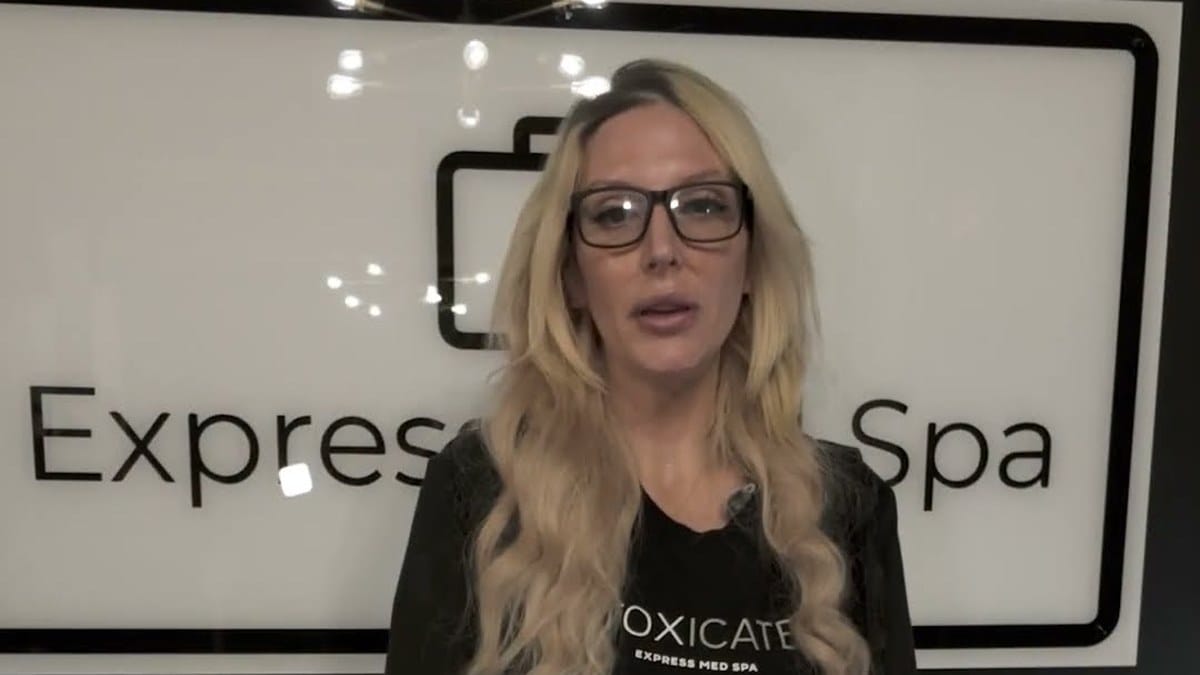
In a short video on how IPL works, Stephanie Guenther, RN, an aesthetic nurse injector at Express Med Spa, explains the same idea from the treatment room: IPL is used for hyperpigmentation, rosacea, and broken capillaries, and the light works from the inside out to break down what you can see on the surface. This guide expands on that with what an IPL photofacial actually treats, how the session feels, and how to know whether it is the right choice for your skin.
Table of Contents
What Is an IPL Photofacial?
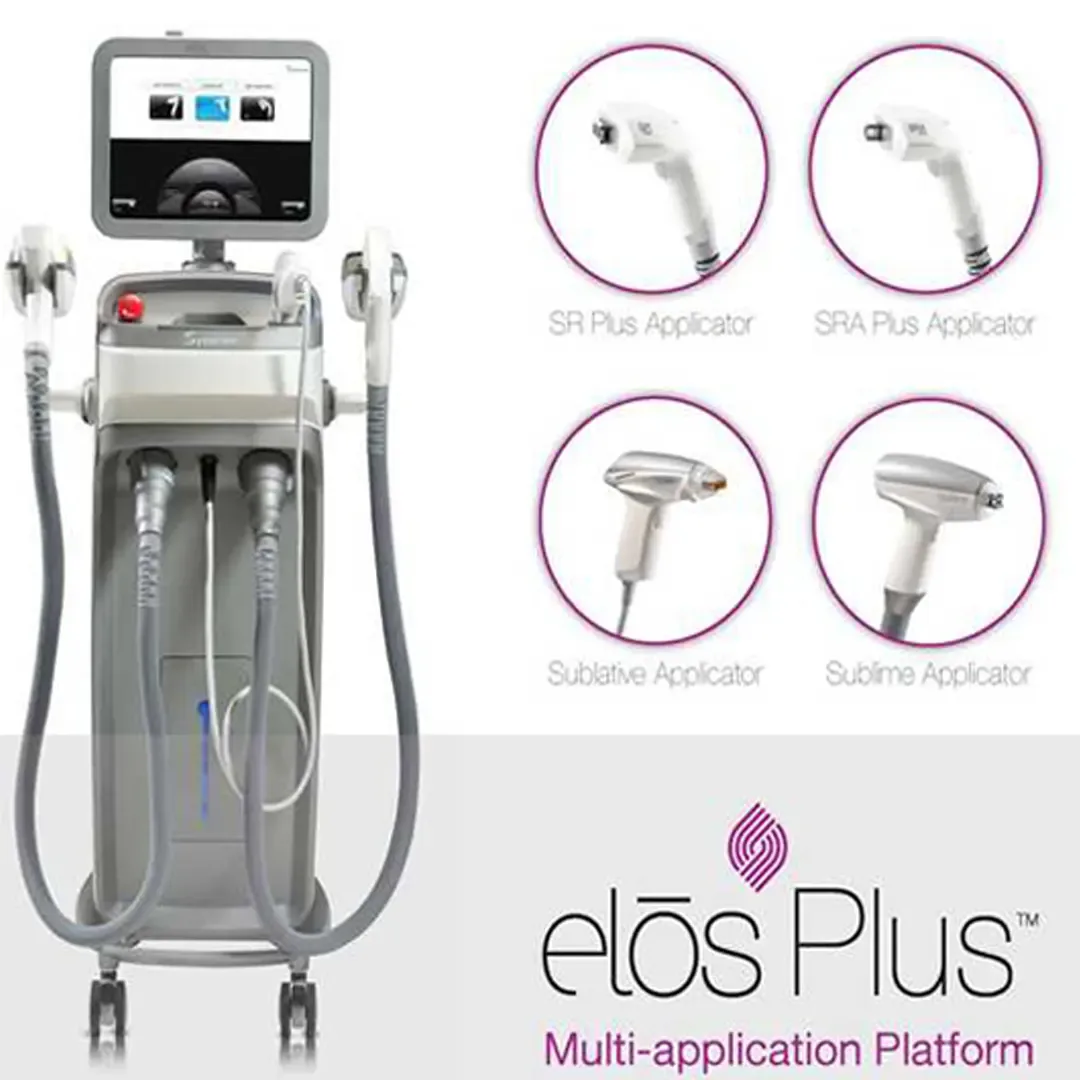
An IPL photofacial is a light-based skin treatment that targets redness, pigmentation, and sun damage. IPL stands for intense pulsed light, which means it delivers a broad spectrum of light rather than a single focused beam. At Express Med Spa, IPL photofacials are performed with the Candela elōs SRA+ system, which pairs pulsed light with radiofrequency energy and uses an FDA-cleared applicator for skin rejuvenation.
The appeal of IPL is its range. A single treatment can address several concerns at once, and it can be used across the full face or focused on a specific spot. Because it is non-invasive and generally involves minimal downtime, it is often chosen by people who want to improve tone and clarity without the recovery time of more aggressive resurfacing. Results build gradually, and most concerns respond best to a short series rather than a single visit.
How Does an IPL Photofacial Work?
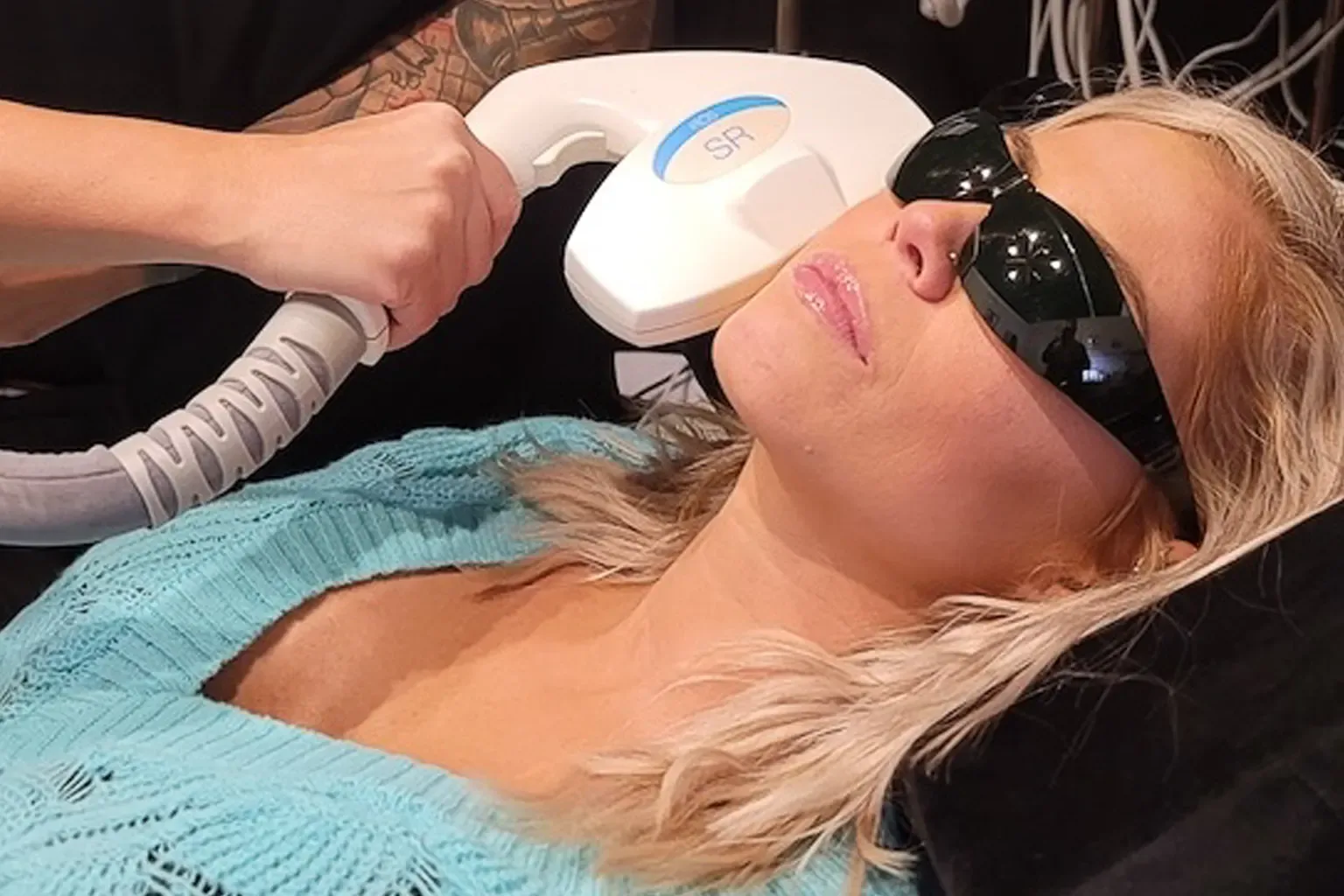
IPL works by sending pulses of light into the skin, where that light is absorbed by darker targets: the melanin in a brown spot or the hemoglobin in a small blood vessel. The light gently heats and breaks up those pigmented cells and unwanted vessels, and your body then clears the debris away naturally over the days that follow. Because the energy is drawn to color, healthy surrounding skin is largely left alone.
Stephanie Guenther, RN, describes the process as working from the inside out. When the light hits a pigmented lesion, the treatment disperses the color and pushes it out from within rather than scrubbing it off the top. That is why a treated brown spot often looks darker before it looks better: the pigment rises toward the surface and can flake away almost like a fine, dark coffee ground before the skin underneath looks clearer. For broken vessels, the light coagulates the vessel so it fades from view.
What Does IPL Treat?
IPL is most useful for surface-level color problems: brown pigment and red vascular concerns. At Express Med Spa, it is commonly used for sun spots and freckles, age spots and brown patches, rosacea and persistent redness, broken capillaries, and the uneven tone that follows years of sun exposure. It can be applied as a full-face photofacial or as a targeted spot treatment on a single stubborn area.
IPL for Sun Spots and Brown Spots
Sun spots, age spots, and freckles are clusters of extra melanin left behind by ultraviolet exposure. IPL targets that pigment directly, which is why brown spots are among the most satisfying concerns to treat. In the first days after a session, treated spots typically darken and may take on a coffee-ground texture before they lift and flake away, leaving more even tone underneath. Deeper or larger patches can take more than one session, and results vary from person to person.
IPL for Rosacea and Facial Redness
Rosacea and general facial flushing are driven by dilated blood vessels near the surface of the skin. Because IPL is absorbed by the red pigment in those vessels, it can diminish or lighten the redness and calm the flushed look that rosacea creates. IPL does not cure rosacea, and it is not right for every stage of the condition, so a provider will assess your skin first. For patients focused specifically on redness, Express Med Spa also offers rosacea treatment in Frankfort.
IPL for Broken Capillaries and Visible Vessels
Small broken capillaries, often seen around the nose and cheeks, respond well to IPL because the light coagulates the tiny vessel so it is reabsorbed and fades from view. As Stephanie notes in the video, smaller vessels frequently clear in just one or two sessions, while more widespread concerns may need a few. These vessels can be handled as a quick spot treatment rather than a full-face session when they are the only concern.
It is worth knowing where the boundary sits. IPL treats vessels on the face, but spider veins on the legs are a different problem and are treated with an injection rather than light. At Express Med Spa those are handled with spider vein treatment (sclerotherapy), which uses Asclera to close the vein from the inside. If the vessels you want treated are on your legs, that is the place to start rather than IPL.
IPL and Melasma: A More Cautious Case
Melasma, the patchy brown discoloration often linked to hormones and sun, is more complicated than ordinary sun spots. It can be treated with light in some cases, but because melasma is sensitive to heat, it can also be aggravated by the wrong approach, so it calls for careful evaluation. If melasma is your main concern, a consultation is essential before any light-based treatment, and a provider may recommend combining or substituting other options rather than IPL alone. Results vary, and a personalized plan matters more here than with simple sun spots.

What IPL does not treat: raised growths. IPL energy is absorbed by pigment, so it addresses flat discoloration spread across an area. Lesions with height, such as skin tags, raised moles, and milia, are removed with a plasma pen instead. See skin tag and mole removal.
IPL vs. Laser: What Is the Difference?
People often use the words IPL and laser interchangeably, but they are not quite the same. A laser delivers a single, focused wavelength of light aimed at one specific target, which makes it well suited to jobs like laser hair removal or tattoo removal. IPL, by contrast, releases a broad spectrum of light across a wider area, so a single device can address several surface concerns at once, such as brown spots and redness together.
Neither one is universally better; they simply suit different goals. IPL is a strong choice for broad tone and color correction across the face, while a targeted laser may be preferred for a single, well-defined concern. If you are comparing options, that decision is best made during a consultation, where a provider can look at your skin type, the concern you want to address, and how your skin is likely to respond.
What to Expect During and After Treatment
A little preparation helps IPL work safely. Because the light is drawn to pigment, most providers ask that you avoid sun exposure and self-tanner in the days before a session, since a fresh tan changes how the skin responds. Your provider will confirm what to do and what to pause based on your skin and any products or medications you use, so it is worth asking during your consultation rather than guessing. Coming in with skin that is close to its natural tone gives the most predictable result.
An IPL photofacial itself is a straightforward in-office visit. Beforehand, your provider reviews your skin concerns, has you put on protective eyewear, and preps the skin. During the treatment, the handpiece delivers pulses of light across the area, and most clients describe the sensation as a quick snap, similar to the light flick of a rubber band. A full-face session is typically brief, and a spot treatment shorter still.
Afterward, it is normal to have mild redness for a few hours, and any treated brown spots may temporarily darken before they fade. Over the next one to two weeks, that pigment works its way to the surface and flakes away while the skin looks progressively clearer. Downtime is generally minimal compared with chemical peels or resurfacing, though your provider will give you specific aftercare guidance, including sun protection, to help your results hold. If you are weighing IPL against an exfoliating option, you can also read about a chemical peel or collagen-focused microneedling, which target texture and tone through different mechanisms.
How Many IPL Treatments Will You Need?
The number of sessions depends on the size and the color of what is being treated. Small broken vessels often clear in just one or two treatments, while widespread pigmentation or sun damage usually responds best to a short series. At Express Med Spa, patients are generally guided toward the best results across roughly three to five sessions for full-face tone correction, though your plan is tailored to your skin.
Because IPL results build gradually, sessions are spaced out to let the skin respond and clear between visits. Maintenance treatments may be suggested over time, especially for concerns like rosacea and sun-related pigment that can return with ongoing sun exposure. The most reliable way to know your own timeline is an in-person assessment, since color, depth, and skin type all factor in.
Is an IPL Photofacial Right for You?
IPL is a good match if your main concerns are surface color: sun spots, brown patches, diffuse redness, rosacea, or small broken capillaries, and you want to improve overall tone with little downtime. It is less suited to concerns that are about texture, depth, or volume rather than color, and, as noted above, melasma and certain skin types call for extra caution. A provider will review your skin, your history, and your goals to confirm whether IPL is the right tool.
IPL photofacials at Express Med Spa start from $375, though your exact cost depends on whether you are treating a single spot or the full face and how many sessions your skin needs. The best next step is a free consultation, where your provider can evaluate your concerns in person and confirm a plan and price before you commit. You can review the IPL photofacial treatment details or book a consultation online at any time. Prices are subject to change.
IPL Photofacials at Express Med Spa
Express Med Spa is a nurse practitioner-led medical spa whose injectors and clinicians are trained in laser and light-based treatments. You can see the full details of the IPL photofacial treatment, performed with the Candela elōs system, on the treatment page. IPL photofacials are offered at each of the practice locations, so you can be seen at the clinic most convenient to you. Explore IPL photofacials in Frankfort, La Grange, Shorewood, and Chicago Mount Greenwood.
About Your Provider
Stephanie Guenther, RN, is a Registered Nurse and aesthetic nurse injector at Express Med Spa who practices out of the Frankfort and Shorewood clinics. She works in cosmetic injectables, PRP treatments, and advanced skin rejuvenation, and is known for detailed consultations and individualized treatment plans. Express Med Spa is a nurse practitioner-led practice founded by Stefanie Drozd, MSN-APRN, who oversees clinical protocols across the practice locations. Any IPL plan begins with a provider assessing your skin in person.
Frequently Asked Questions
What is an IPL photofacial?
An IPL photofacial is a light-based skin treatment that uses intense pulsed light to target redness, pigmentation, and sun damage. At Express Med Spa it is performed with the Candela elos SRA+ system. The light is absorbed by brown pigment and small blood vessels, which the body then clears, improving overall tone with minimal downtime.
What does an IPL photofacial treat?
IPL is used for surface color concerns: sun spots and freckles, age spots and brown patches, rosacea and persistent redness, broken capillaries, and uneven tone from sun damage. It can be done as a full-face treatment or a focused spot treatment. It works best on color rather than texture or volume concerns.
Does an IPL photofacial hurt?
Most clients describe IPL as a quick snap against the skin, similar to the light flick of a rubber band, rather than a painful procedure. Protective eyewear is worn and the skin is prepped first. Mild redness for a few hours afterward is normal, and any treated brown spots may darken briefly before they fade.
How many IPL treatments will I need?
It depends on the size and color of what is being treated. Small broken vessels often clear in one or two sessions, while broader pigmentation and sun damage usually respond best over roughly three to five sessions. Results build gradually and vary by person, so your provider tailors the plan during a consultation.
What is the difference between IPL and laser?
A laser uses a single focused wavelength aimed at one target, which suits jobs like hair or tattoo removal. IPL releases a broad spectrum of light across a wider area, so one treatment can address several surface concerns at once, such as brown spots and redness. Which is better depends on your skin and goal.
Is there downtime after an IPL photofacial?
Downtime is generally minimal compared with peels or resurfacing. Expect mild redness for a few hours, and treated brown spots may temporarily darken and flake over one to two weeks as they clear. Sun protection and your provider’s aftercare guidance help protect the result. Results vary from person to person.
This article is for general educational purposes and is not medical advice. Individual results vary, and candidacy for any treatment is determined during a consultation with a licensed provider.
Meet our nurse practitioner-led team.That’s exactly why we offer free consults.
Meet our nurse practitioner-led team.
That’s exactly why we offer free consults.
🧬 Personalized care that fits your goals.

Stefanie Drozd, APRN
Founder & Nurse Practitioner
354
5 Star Average Rating
Five Star Reviews... and growing
Let’s Talk About Your Skin Goals
You don’t have to guess what treatment is right for you. Book a complimentary consultation and let our licensed professionals help you choose the safest and most effective option. We will walk you through your options and help you decide what makes the most sense for your skin, goals, and budget.Express Med Spa Team
Share
Personalized, Judgment-Free Care
That’s exactly why we offer free consults.
🧬 Just personalized care that fits your goals.
Stefanie Drozd, APRN
Founder & Nurse Practitioner
You don’t have to guess what treatment is right for you. Book a complimentary consultation and let our licensed professionals help you choose the safest and most effective option. We will walk you through your options and help you decide what makes the most sense for your skin, goals, and budget.Express Med Spa Team
354
5 Star Average Rating
Five Star Reviews... and growing
Let’s Talk About Your Skin Goals